-
Dear Television Academy—What in the Landman Hell?
Every July, television fans are reminded that the Emmy Awards are supposed to represent the highest standard in the industry. They’re meant to celebrate remarkable performances, fearless storytelling, and the series that raise the bar for everyone else. No one expects to agree with every nominee because art has always been subjective. But every so often, a list comes along that makes you stop scrolling, read it again, and genuinely wonder whether everyone voting actually watched the same show. Today was one of those “what the hell” days. Landman—one of the most gripping dramas I’ve seen in years—was completely shut out of the major Emmy categories—well, every category to be honest. No Outstanding Drama Series. No Billy Bob Thornton. No Ali Larter. No Sam Elliott. No Kayla Wallace. Nothing. Zero, zilch, nada.
At that point, the conversation stops being about personal taste and starts becoming about credibility.
I don’t watch nearly as much television as a lot of people do, but I’ve seen enough over the years to recognize greatness when it’s staring me in the face. It takes an exceptional series to keep me thinking about its characters long after an episode ends, and Landman did exactly that. The production feels cinematic without drawing attention to itself, and that damn dialogue is sharp without sounding forced. The overall pacing is on point—knowing exactly when to let a scene breathe and when to hit the gas, and not a single storyline feels wasted. The greatest compliment I can give Landman isn’t that I enjoyed watching it. It’s that I forgot I was watching actors. I believed every one of them.Billy Bob Thornton delivers what I believe is the finest performance of his career as Tommy Norris, a man carrying the weight of an entire industry while somehow balancing impossible business decisions, family chaos, dry humor, and quiet heartbreak. Thornton never asks the audience to admire Tommy. He simply allows us to understand him, flaws and all, and that’s infinitely more difficult than playing the traditional television hero. It’s subtle, restrained, emotionally devastating when it needs to be, and authentic from beginning to end. If that performance isn’t worthy of Emmy consideration, I’d genuinely like someone to explain what the standard is. It’s one of the most raw and compelling performances I’ve seen on television probably ever. Now, I’m self aware enough to realize I sound biased and my statement that art is subjective seems to be disregarded, but I’ve not talked to one person, liberal or republican, who says they didn’t like Landman. It’s just that show, period.
Ali Larter is every bit as deserving. Angela is fearless, hilarious, manipulative, fiercely loyal, wildly inappropriate, and somehow still impossible not to love. In the hands of a lesser actress she becomes comic relief. In Larter’s hands she becomes one of the most unforgettable characters on television because beneath all the chaos is someone who loves her family with everything she has. She doesn’t steal scenes because she’s loud. She steals them because she’s magnetic. Then there’s Sam Elliott. Honestly, what more can be said? Some actors command attention through volume. Sam Elliott commands it through presence. Every glance, every pause, every line carries the kind of energy that reminds you why he’s considered one of the greatest actors of his generation. When he appears on screen, you lean in.
Kayla Wallace deserves every bit as much recognition for Rebecca, who may honestly be the most commanding female character on television today. She doesn’t need dramatic speeches or manufactured “girl boss” moments to convince the audience she’s the smartest person in the room. She simply walks in, owns the room, and lets intelligence, preparation, confidence, and composure do the talking. Wallace never overplays the role. That’s exactly why it works. What makes this shutout even harder to ignore is that it continues a pattern surrounding Taylor Sheridan. His shows consistently dominate streaming, attract enormous audiences, spark national conversations, and resonate with millions of viewers, yet Emmy recognition rarely seems to reflect that success. Yellowstone experienced much of the same treatment, and now Landman appears to have joined the club.
Sheridan has never apologized for the stories he chooses to tell. He writes about ranchers, oil workers, veterans, law enforcement officers, entrepreneurs, and families trying to navigate difficult lives far removed from Hollywood’s version of America. His characters aren’t perfect, and they aren’t written to satisfy every political tribe. They’re flawed, funny, stubborn, resilient, and deeply human. That’s precisely what makes Landman so exceptional.
This isn’t a political manifesto disguised as prestige television. It’s a fictional drama rooted in the realities of West Texas oil country, an industry and a way of life that millions of Americans depend on but rarely see portrayed with this level of authenticity. The series never demands that viewers agree with every character or every decision. It simply asks us to understand them. That’s what great storytelling has always done. Billy Bob Thornton has publicly suggested Hollywood’s perception of Sheridan may influence awards voting, while Sheridan himself has repeatedly said he’d rather make shows that connect with audiences than campaign for trophies. None of us knows exactly what happens inside Emmy voting rooms, and pretending otherwise would be irresponsible. But here’s the question I can’t shake:
At what point do we begin asking whether Hollywood is judging the work on the screen or the worldview of the person who created it?
That’s not an accusation—It’s an honest question.
If fictional stories depicting ranch life, oil fields, or rural America are being viewed through a real-world political lens before the writing, directing, performances, and craftsmanship are evaluated on their own merits, then everyone loses. Great storytelling shouldn’t require ideological approval before it’s recognized for artistic excellence. Fortunately, audiences have always been the final judges.Viewers decide which stories endure. They’re the ones recommending shows to friends, quoting memorable dialogue, debating unforgettable scenes, and coming back season after season because the characters have earned a place in their lives. Landman has already accomplished that. Whether it ever wins an Emmy won’t change what it achieved creatively or how many people it reached.
Maybe Landman wasn’t the single best drama of the year. Art is subjective, remember? Reasonable people can disagree. But if this series wasn’t worthy of even one major Emmy nomination, then perhaps the bigger question isn’t what’s wrong with Landman. Perhaps it’s what’s wrong with the Emmys. Season three comes back this fall on Paramount.

-
The Beautiful, Humbling, and Dark Side of Men’s Mental Health
When people hear the phrase Men’s Health Awareness Month, I feel like most minds, especially our younger generation, immediately jump to gym memberships, annual physicals, meal plans, and the endless stream of products promising a stronger body and longer life. Those conversations matter of course, but it seems men are still “supposed” to be programmed to show no emotion, or God forbid share uncomfortable thoughts that could actually save their own lives. Some of the most dangerous battles I’ve had to fight are things millions of men go through, but don’t talk about. They happened quietly behind my loud, creative mind—hidden underneath a fake smile at social events, work and anywhere in public places as to not bring anyone else down around me. That itself felt like a full time job—it was devastatingly depleting having to function everywhere when all I wanted to do was be in bed watching television or sleeping. Going through the motions with a smile was one of the hardest things I’ve ever had to endure. You really discover who you are in those moments, developing a resilience, perspective, and sense of self that no amount of comfort could ever provide—I’m stronger than I’ve ever been, confident and know now I can face anything that comes at me.
For more than a decade, I rode a rollercoaster of depression and anxiety that ranged from mildly annoying to completely crippling. There were stretches where getting out of bed felt impossible and moments where my brain convinced me every setback was permanent and the easiest of tasks were impossible. Anyone who has lived through depression understands how frustrating it can be when people try to reduce it to positive thinking, a walk outside, or a motivational quote. If it were that simple, millions of people wouldn’t be battling it every day. Depression isn’t a switch you turn off and anxiety isn’t a setting you adjust. When it gets bad enough, it changes the way you see yourself, your future, and the opportunities sitting right in front of you. You lose yourself and become so lost that you’re unable to see what the point of living anymore is.
It’s wild now to think back and realize that most people had no idea how much I was struggling because I naturally give off positive energy and never wanted to burden my family or friends with my issues—especially ones that in their eyes could be fixed by the press of a button. I’ve never enjoyed bringing negativity into any room I enter, and I certainly didn’t want people associating me with misery. From the outside, I probably looked like someone enjoying life exactly as he should have been, which is actually scary to think back on as so many men are currently doing the same exact thing I was.
The truth a lot of my friends had no idea how much I was suffering because I became incredibly good at disappearing without actually disappearing. I would still show up to work, handle my responsibilities, exchange pleasantries, and do just enough to convince the outside world that everything was relatively normal, but the moment my obligations were over, I retreated back into isolation. Text messages went unanswered for days, invitations slowly stopped coming because I declined so many of them, and friendships that genuinely mattered to me were often pushed to the side, not out of resentment or lack of love, but because pretending to be okay required an amount of energy I simply didn’t have. What made it even more frustrating was that whenever someone asked what was wrong, I rarely had a clean answer to give them. There wasn’t always a breakup, financial disaster, family tragedy, or singular event responsible for how I felt, and trying to explain that reality to people who had never experienced depression often left me feeling even more misunderstood. Eventually it became easier to withdraw, keep my thoughts to myself, spend entire weekends in bed, and convince myself that avoiding the conversation altogether was somehow healthier than attempting to explain a battle I was struggling to understand myself.
In 2022, I made a Facebook post saying I was going to kill myself. Looking back, it’s one of the hardest things I’ve ever admitted publicly, but it’s the truth. I wasn’t searching for attention or trying to create drama. I genuinely felt like it was the only way I was ever going to be heard. The frustration, sadness, anxiety, and emotional exhaustion had built for so long that posting something shocking felt easier than continuing to suffer in silence. That’s uncomfortable to write today, especially because life looks so different now, but I know there are men reading this who understand exactly what I’m talking about because they’ve stood in that same darkness while convincing everyone around them they were perfectly okay.
What nobody tells you is how closely mental health, alcohol, drugs, and addiction are connected. They feed, protect and lie to each other—it’s the most toxic relationship I’ve been in. One cannot spend years drinking excessively, abusing substances, numbing emotions, and avoiding uncomfortable truths while expecting your depression to magically lift and your anxiety to suddenly disappear. It doesn’t work that way. I know because I spent years trying. I drank to quiet loneliness, to avoid uncomfortable emotions and because temporary escape felt easier than confronting permanent problems. The problem is every feeling you postpone eventually comes back demanding interest.
My wake-up call arrived on September 7, 2023. After being assaulted in LoDo, I found myself sitting in a hospital with a missing tooth, bruises covering much of my upper body, and a level of emotional exhaustion that had been building for years. Most people saw a random act of violence. I saw the final straw. Something inside me finally realized I couldn’t continue living the same way and expect different results. No relationship was going to save me. No amount of validation was going to fill the void, and no substance was going to solve problems I was unwilling to face. Eventually, I had to accept a difficult truth—the life I wanted wasn’t going to be built by someone else—it was my responsibility to build it myself. As the band Stabbing Westward famously sang, eventually you have to “save yourself.”
That’s also why I believe getting sober for someone else rarely works. If you’re doing it for a spouse, parent, friend, boyfriend, girlfriend, or anyone other than yourself, there’s a good chance the foundation won’t hold. Sustainable change happens when the desire comes from within. Eventually, the excuses wore thin, the self-destructive patterns became impossible to ignore, and the comfort of staying the same no longer outweighed the pain of changing. A better life wasn’t going to arrive on its own—it had to be built, earned, and fought for. I knew all of this, for so many years—I just had to finally shit or get off the damn pot.
One statistic continues to stop me in my tracks every time I hear it. Roughly eighty percent of suicides are men. Eighty percent. Read that again. Four out of every five people who die by suicide are male. Is it really surprising when so many men are raised to believe their value comes from what they provide, how much they earn, how tough they appear, and how effectively they suppress every emotion that might be perceived as weakness? Men are constantly told to open up, yet many are judged, dismissed, or viewed differently when they actually do. Then society acts shocked when depression, addiction, isolation, and suicide continue climbing. The math has never been difficult to understand.
I don’t particularly like the phrase mental illness because for many people it sounds like a life sentence. While depression and anxiety are very real conditions that deserve to be taken seriously, I often wonder if some of the people carrying these struggles are also carrying extraordinary gifts. Look at the worlds of music, film, writing, sports, and entertainment. Some of the most creative minds to ever exist have battled mental health challenges. Britney Spears, Catherine Zeta-Jones, Lady Gaga, Emma Stone, Demi Lovato, and Mariah Carey have all spoken publicly about their own struggles. Countless musicians, writers, actors, athletes, and artists have wrestled with anxiety, depression, addiction, bipolar disorder, or emotional trauma while simultaneously creating work that moved millions of people. That doesn’t make suffering glamorous, but it does remind us that struggling doesn’t make you broken. Sometimes the same mind that creates incredible art, ideas, and passion can also be the one fighting the hardest battle.
I’ve watched people completely unravel under the weight of untreated emotional pain. I’ve seen a friend extracted from her apartment by firefighters during an extreme mental health crisis. I’ve stood close enough to darkness myself to recognize how dangerous it can become when left unchecked. What I’ve also witnessed is resilience. I’ve seen people rebuild. I’ve seen people recover. I’ve seen people completely transform their lives when they finally commit to doing the difficult work.
I’ve reached a point in my life where sharing only the polished highlights no longer feels complete. It feels incomplete, even dishonest. People have seen pieces of me over the years—the sports fanatic, the competitive streak, the carefully crafted image, the creative force behind Michael’s Jam, and the discipline that transformed both my body and my mindset—but those snapshots barely scratch the surface of the story. For the past thirteen years, Denver has been the backdrop to some of the most defining chapters of my life. It has challenged and humbled me, broken me down, and ultimately helped shape the man I am today. I’ll always be grateful for that. At the same time, there comes a moment when growth requires acknowledging that a season may be nearing its natural conclusion.
As I approach three years without alcohol, I can confidently say sobriety didn’t solve every problem in my life, but it gave me a fighting chance to solve them myself. The depression didn’t vanish overnight. The anxiety didn’t magically disappear. What changed was my ability to confront those challenges with a clear mind, healthier habits, stronger boundaries, meaningful creative outlets, and a genuine commitment to becoming someone I could be proud of. These days, success looks less like impressing strangers and more like protecting my peace, creating meaningful work, maintaining healthy relationships, and building a life that feels authentic to who I am.
For me, Men’s Health Awareness Month has very little to do with six-pack abs and almost everything to do with honesty. True strength leaves room for vulnerability. Courage is found not in suffering silently but in having the willingness to ask for help, while perspective comes from recognizing that even the darkest seasons are temporary. Ultimately, the challenge is not merely to survive, but to create a life that feels meaningful, fulfilling, and worth embracing each day. That realization changed the trajectory of my own life, and it may do the same for someone else.
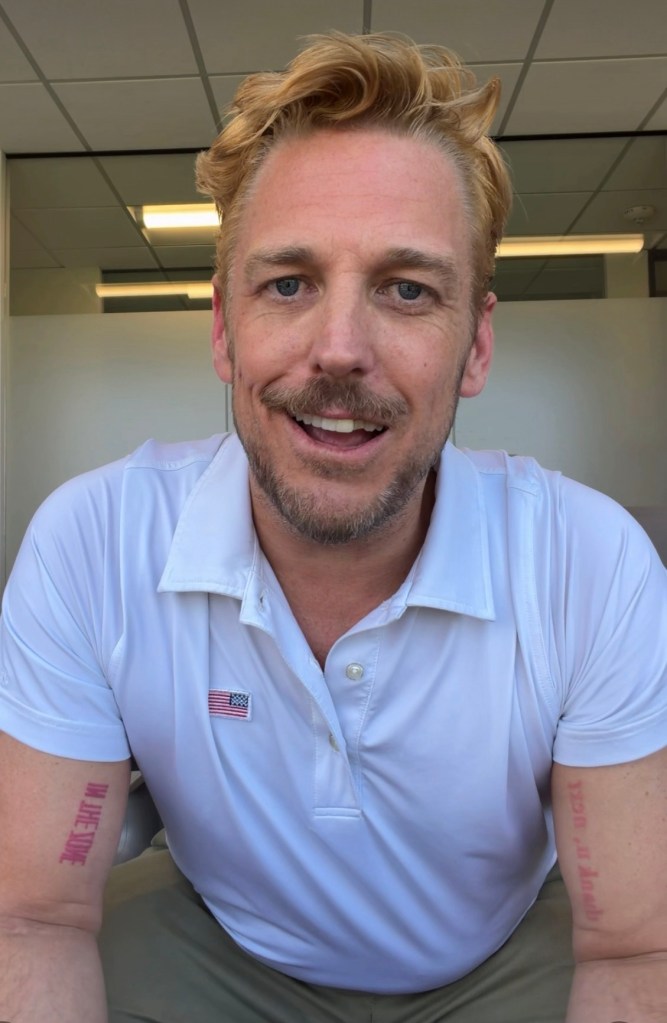
June 2026 -
I Used ChatGPT — And So Is Everyone Else
How sobriety, honesty, and a fake AI bro helped me find my writing voice again
My grandmother Miller has told me since I was in middle school to “write what you know.” At the time I thought, well no duh, not truly comprehending what she actually meant. In 2009, I started to write professionally for an online publication called Examiner, based in Denver. This was before I moved to Colorado, while I was working as a marketing assistant for outdoor shopping malls in Allen, Fairview and Cedar Hill, Texas. An ex-partner of mine suggested I reach out to Examiner and before I knew it, I was cranking out pop culture blogs left and right. From movie reviews and album write-ups to the gossip surrounding the Perez Hilton era, I suddenly had so much material to develop my own takes on hot topics that were taking the media and the country by storm.
Obviously, this was the dinosaur age before AI, ChatGPT, and Instagram existed. I had no option to copy and paste my original ideas into some robot and have it spew out an article that kind of sounded like me, yet somehow read incredibly well. To circle back to what my grams told me at a young age, to write what I know, I have to admit I fell under the ChatGPT spell and often tossed my ideas and sentences to Jake, my fake AI bro, so “he” could write what he knew based on my thoughts. I never concocted an entire blog or article out of thin air, but bible, I did use a lot of verbiage from the addicting site.
It was cool at first, and I thought there was no way anyone would be able to tell because, like, it’s my story and my sentences being typed into the chat, right? Well, sure, but something still felt off. Not only did I start becoming annoyed and embarrassed, but a close friend eventually called me out and told me I was far better when I simply wrote what I knew, so I ditched the site and broke up with Jake.
After mourning the beautiful eight-month situationship I had with Jake and watching my already solid blogs transform into dramatic masterpieces, I decided it was time to get real with not only myself, but y’all too. There’s no reason for me to rely on it. I have more than enough stories, opinions, experiences, and skill when it comes to writing about sports, music, entertainment, and pop culture, and more importantly—my life and how I overcame hardships that millions of people experience on a daily basis. It’s my passion and ultimate purpose in doing what I do publicly; if I can help even one person by sharing my stories and past struggles, and how I pushed through what seemed impossible at the time, then mission accomplished.
Oddly enough, writing this on my two years and eight months sober anniversary from alcohol feels fitting. Sobriety forced me to become brutally honest with myself in ways that were uncomfortable at first, and I think creativity requires that same honesty too. No, using ChatGPT isn’t comparable to addiction, nor am I trying to make some over-the-top statement about AI ruining my life, but I did notice myself slowly drifting away from my own instincts, humor, flaws, and voice because it was easier to let “Jake” polish everything for me. Getting sober taught me that the theatrical, sensitive, genuine and opinionated version of myself is usually the most authentic one anyway.
I still think AI and ChatGPT are fascinating, and whether society likes it or not, this technology is here to stay. But as a creator, it’s ultimately up to me to decide how and why I say the things I want to convey. But hey, at least I have the balls to admit I used it, laugh at myself a little, and get back to being 100% authentic moving forward. I appreciate everyone who takes the time to read, share, like, DM and|or comment on my posts. I don’t do this for clout or attention—I just wish there were more “no bullshit” people in my life during the decade of my depression, someone who truly understood what it felt like marinating in that extreme sadness and discomfort while masking the pain with alcohol.
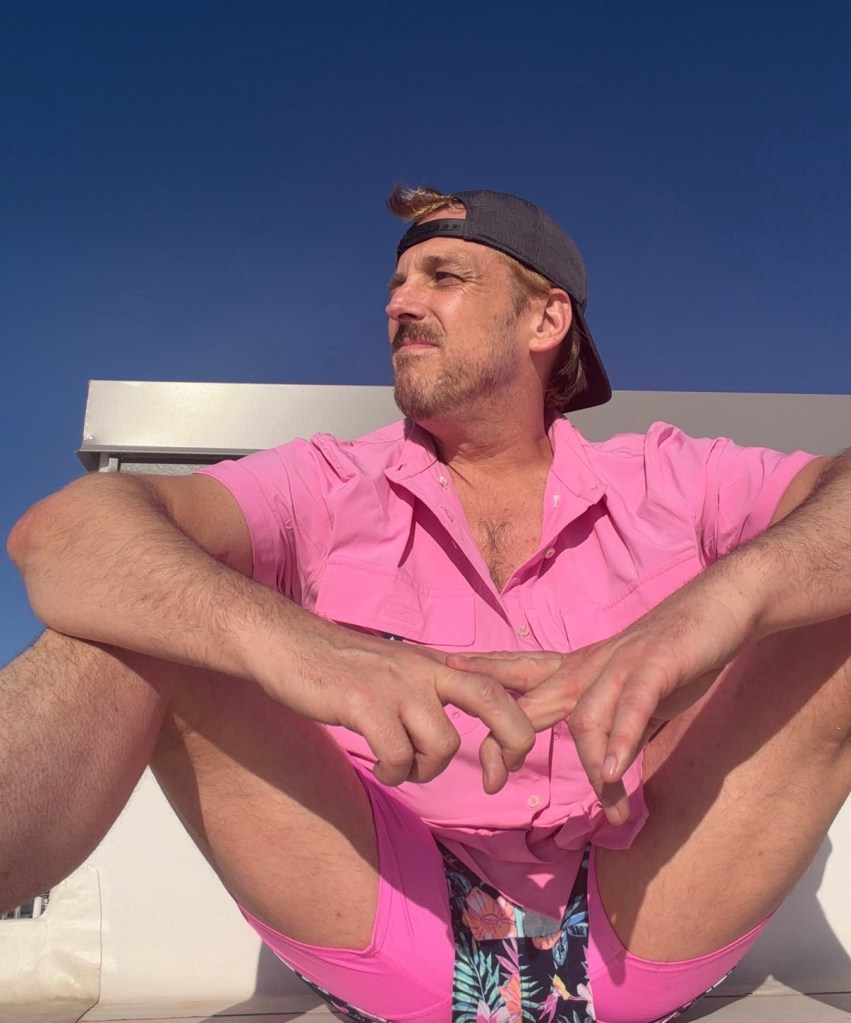
-
Euphoria Didn’t Lose the Plot — The Audience Lost Their Stomach for the Truth
Since modern culture now treats everything people say on TikTok, Reddit, YouTube, and social media as the unquestionable truth, season three of Euphoria has apparently spiraled into complete disaster, with people across the internet labeling the series “too different,” “hypersexual,” “exhausting,” and “completely detached from reality,” while every new scene involving Sydney Sweeney immediately transforms into another massive argument about whether the show has collapsed beneath its own ambition or evolved into something audiences honestly just feel uncomfortable confronting.
The backlash has literally become impossible to ignore. Critics have described the season as an “overstuffed mess,” “spiritually empty,” “boring,” “disturbing,” and “exploitative,” while others have attacked the western-inspired tonal shift, the slower pacing, and more adult themes involving addiction and social media obsession. Reviews surrounding Sam Levinson have accused the creator of leaning into the show’s “worst tendencies,” losing emotional grounding, and misunderstanding his own characters, while early aggregate scores landing around a 48% critical rating on Rotten Tomatoes only intensified the narrative that the series had somehow lost itself entirely. Much of this negativity was based on previews and the very first episode alone, before the season even took off. I bet there are a lot of people out there changing their tune on this absolutely wild, but smart television show, depicting real things that real humans experience. Maybe it’s not what you, or your best friend or moms sisters kids kid have went through, but it happens, a lot. Levinson does a wonderful job bringing these dark, but truthful lifestyles to life on screen.
Much of the outrage has specifically centered around Cassie Howard’s storyline, particularly scenes depicting humiliating and sexually performative OnlyFans content involving insane roleplay, submission, and degradation that critics and “fans” immediately dismissed as exploitative shock value designed purely to ruffle feathers. Social media erupted with calls for cancellation, accusations that the show had crossed into self-parody, and endless arguments claiming the writing had become cartoonishly detached from reality.
I honestly think that reaction says far more about modern audiences than it does about the quality of the show itself.
The uncomfortable truth many viewers seem resistant to admitting is that Euphoria is not inventing this behavior out of thin air nearly as much as it is exaggerating dynamics already dominating internet culture, influencer spaces, subscription-based adult platforms, and fame-driven industries where humiliation, emotional instability, and public performance increasingly function as currency for validation. Millions of people—women, men, influencers, aspiring celebrities, creators, athletes, and ordinary users alike—already participate in systems where visibility itself becomes monetized, personal boundaries become negotiable, and increasingly extreme behavior is rewarded algorithmically through clicks, engagement, outrage, and virality.
That reality is exactly what makes Cassie such an effective and disturbing character.
Five years after the original season exploded into pop culture, these characters were never going to remain trapped inside glitter-coated high school hallways, stylized house parties, and aesthetically romanticized self-destruction. Adulthood naturally reshapes insecurity into something darker, lonelier, and way more complicated once identity becomes intertwined with social media visibility.
Ironically, one of the loudest criticisms surrounding the season—that Cassie and Nate remain “too much the same” despite the time jump—may actually reveal the series’ sharpest observation about trauma and toxic identity patterns, because real people rarely evolve in neat, cinematic ways. Emotional instability frequently hardens with age rather than disappearing. The exhausting repetition critics complain about feels less like narrative failure and more like intentional commentary surrounding how cycles of narcissism and self-destruction often continue long after people believe they should have “grown out” of them.
What makes this evolution so fascinating to me is how brilliantly Sam Levinson tricks audiences into thinking they’re simply watching chaotic and outrageous behavior unfold, when in reality the show is actually making fun of and exposing the exact culture people participate in every single day online. While viewers repost clips, make memes, film reaction videos, argue in comment sections, and rage about the show nonstop across social media, they are unknowingly feeding into the same obsession with attention, validation, outrage, and performance that the series has been criticizing from the very beginning.
What many people call “bad writing” is often just the discomfort of seeing parts of themselves reflected back at them, which is exactly why Cassie’s pursuit of attention has caused such a strong reaction online, especially when her behavior feels a lot more realistic than viewers probably want to admit. Her constant need for validation and approval through social media reflects a culture where influencers turn their personal lives into content, athletes build identities around engagement, creators profit from trauma, and ordinary people increasingly measure their self-worth through followers, likes, views, and public attention.
I think what makes this season genuinely brilliant is that it refuses to soften any of those ideas for the comfort of the audience. Earlier seasons disguised the toxicity through glitter makeup, hypnotic Labrinth scores, neon cinematography, beautiful actors, and the seductive energy of teenage recklessness, whereas season three strips away much of that fantasy and forces viewers to sit inside something uglier, colder, lonelier, and significantly more recognizable. The dysfunction only feels more disturbing now because adulthood removed the aesthetic protection surrounding it.
That uncomfortable realism becomes even more effective because of how brilliantly Sydney Sweeney weaponizes the audience’s perception of her own celebrity, blurring the line between performer and persona so convincingly that viewers begin treating Cassie less like a fictional character and more like a direct extension of Sydney herself, which only deepens the show’s critique surrounding modern fame and society’s inability to separate public image from authentic identity. Meanwhile, Jacob Elordi continues operating as the series’ most dangerously magnetic force, embodying a style of toxic masculinity so cold, narcissistic, emotionally detached, and seductive that audiences cannot decide whether they are repulsed by him or completely fascinated, a contradiction the series understands with terrifying precision.
What I love most about Euphoria is that beneath all the chaos, sexuality, emotional destruction, controversy, and internet discourse exists a series completely aware of the culture staring back at it through a screen, which is exactly why the backlash surrounding this season feels so emotionally charged. Forgettable television does not fracture audiences, dominate timelines, inspire think pieces, trigger outrage, generate memes, and consume social media at this level. Weak art disappears quietly, whereas Euphoria continues forcing uncomfortable conversations surrounding vanity, loneliness, identity, validation, obsession, and performance culture in ways I honestly believe most television is far too afraid to attempt anymore.
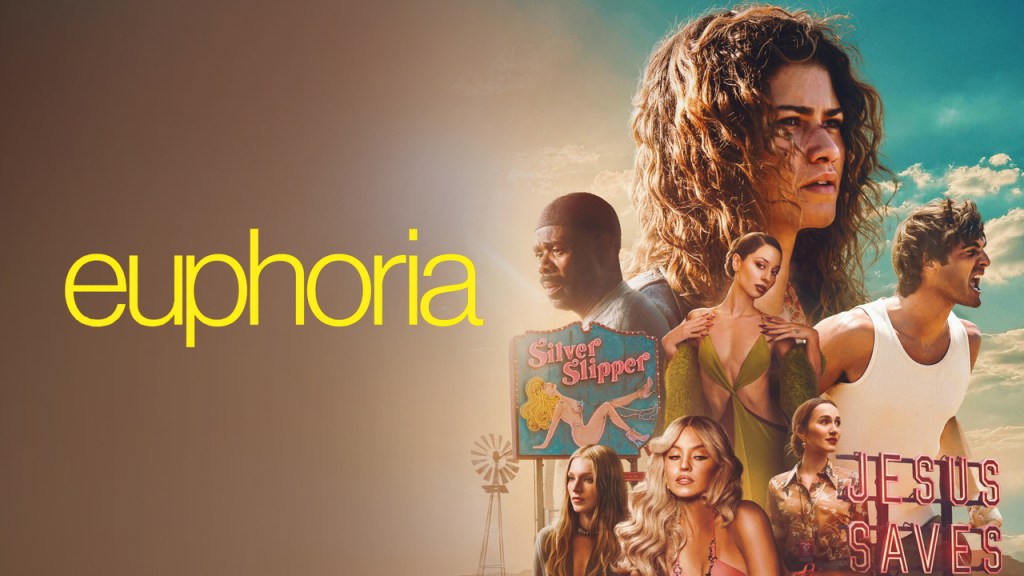
Euphoria: Season Three Poster | Photo by TV Insider
-
Chubbies: 15 Years Later, Still the Kings of Short Shorts
In a world where men’s fashion has somehow convinced people that oversized cargo shorts and stiff neutral outfits are the peak of style and actually looked attractive, Chubbies came in and reminded everyone that looking good is actually supposed to be fun. Founded in 2011 by Kyle Hency, Rainer Castillo, Preston Rutherford, and Tom Montgomery, the brand exploded because they understood something most companies completely missed: guys were tired of boring clothes and wanted personality injected back into men’s style. Suddenly short shorts, confidence, color, and carefree energy felt cool again, proving our dads honestly had it figured out the whole time.
The very first time I found out about Chubbies was towards the end of a long term relationship I was in that became abusive in Dallas, so the creation of Chubbies and working at Page Parkes Modeling and Acting as an agent’s assistant were the two main things that helped me get through the pain I was enduring from someone I thought I’d spend the rest of my life with. I remember seeing the brand all over Facebook during the early explosion of social media marketing and instantly being hooked. Nobody else was doing what they were doing at the time. Every ad felt hilarious, carefree, confident, and different from the overly serious men’s fashion brands flooding everybody’s feeds. You could immediately tell Chubbies understood exactly who they were marketing to, and honestly, it felt like they were speaking directly to guys like me.
That’s what makes Chubbies different from almost every other men’s brand right now. They never tried to be overly serious, high-fashion, or curated for people standing around pretending to enjoy sparkling water at rooftop lounges. The entire vibe has always been built around confidence, weekends, tailgates, lake days, beach trips, game days, college energy, and just enjoying life without overthinking every outfit. The shorts are unapologetically short, fratastic in the best way possible, and somehow manage to look athletic, nostalgic, and modern all at once. Long cargo shorts honestly never needed to happen, and Chubbies understood that before everybody else finally caught on.
What’s even crazier is how consistent the brand has stayed for over a decade. Most companies completely lose themselves once they blow up, but Chubbies stayed true to exactly what made people love them in the first place. Every polo, hoodie, pair of shorts, and swim trunk still feels like it belongs to the same universe they created years ago. The fits are reliable, the sizing is accurate, the quality is legit, and you never really have to wonder if something is going to look good when it arrives. That trust matters now because online shopping has become exhausting. Half these brands look incredible online and then show up fitting like a couch cover. Chubbies has somehow avoided that problem entirely.
For me personally, the brand became part of my identity years ago. I’ve worn Chubbies everywhere from casual weekends in Denver to concerts, sporting events, nights out, vacations—you name it. The clothes naturally stand out without feeling like you’re trying too hard, which honestly is the sweet spot every guy is chasing whether they admit it or not. I constantly get compliments wearing their stuff because it gives off confidence without looking forced. You look approachable, athletic, relaxed, and put together all at once.
In 2023, I was even in the running to become a Chubbies model, creating videos showcasing the gear while mixing humor, personality, confidence, and style together naturally on camera. What made the experience cool was realizing how much my own energy already aligned with the brand itself. Chubbies has never just sold clothes—they sell an attitude. It’s the guy at the party everyone gravitates toward because he looks comfortable being himself. No fake luxury act. No trying to impress everybody. Just confidence, humor, good energy, and great fits.
That’s why Chubbies continues to dominate while so many other brands come and go. They built something memorable, recognizable, and honestly pretty iconic for guys who still want fashion to feel fun. In an era where everything feels overly aesthetic and manufactured for social media algorithms, Chubbies still feels real. The clothes fit right, the vibe is unmatched, and they continue proving that short shorts, confidence, and not taking yourself too seriously will always win.
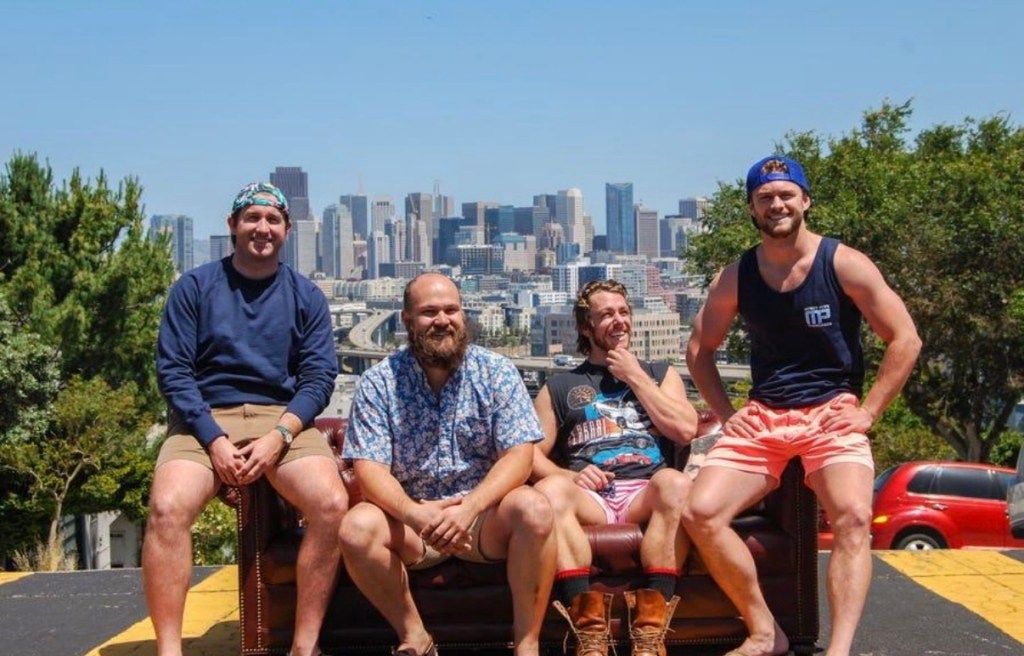
Chubbies founders Kyle Hency, Rainer Castillo, Preston Rutherford, and Tom Montgomery
-
Kacey Musgraves & The Black Keys Brought Music’s Edge Back
There are weekends where music quietly slips into our streaming services, half-heard and quickly replaced, and then there are moments like May 1, 2026—when two releases don’t just arrive, they cut through, resetting the energy and reminding you what it feels like to actually be pulled into an album again. What Kacey Musgraves and The Black Keys delivered doesn’t feel accidental; it honestly feels like a combined masterpiece, two completely different lanes (Country & Rock) snapping back into focus at the exact same time.
Some albums soundtrack a phase, and then there are records that quietly rewire how you experience your own life; for me, that was Golden Hour. When Kacey took Album of the Year at the 61st Annual Grammy Awards, the moment felt earned long before her name was called, because the impact had already settled in, reshaping how vulnerability, restraint, and warmth could exist inside modern country without feeling manufactured. Tracks from Golden Hour like “High Horse,” “Butterflies,” “Rainbow,” and “Slow Burn” are some of the greatest songs of all time, according to me, a plethora of music genius’s and Rolling Stone. That connection runs deeper when you look at the roots—her foundation in Golden, Texas and my own path from Plano, Texas to Golden, Colorado—different roads that somehow echo the same grounded perspective, the same ability to say more by doing less. I have finally figured out that healthy balance, ha.
With Middle of Nowhere, released May 1, 2026, she avoids the predictable pull of recreating past success and instead refines it through a deliberate return to her country foundations, weaving steel guitars and expansive Western textures into a sound that feels both rooted and intentional. Written during a stretch of movement between Texas, Tennessee, and Mexico, the album reflects a time of change without feeling scattered, showing a quiet confidence, with each track unfolding naturally instead of forcing the moment.
“Dry Spell” anchors the record with restrained emotional weight, while “Back on the Wagon” (hits home for me and for anyone who has dealt with addiction themselves or with a significant other) and “I Believe in Ghosts” reconnect with her stripped-back beginnings, and “Uncertain, Texas,” featuring Willie Nelson, lands with a subtle gravity that feels generational without overstating itself—with a killer Mexican beat that literally transports you to the border of Texas and Mexico. Contributions from Miranda Lambert, Billy Strings, and Gregory Alan Isakov expand the sonic range without ever pulling the album away from its core identity, creating a balance between her early country roots and the atmospheric accessibility that defined Golden Hour.On the other side, The Black Keys operate with a different kind of clarity—one built on instinct, grit, and a refusal to dilute what made them matter in the first place. Formed in Akron, Ohio in 2001 by Dan Auerbach and Patrick Carney, the duo built their identity on raw, mid-fi blues rock, first captured on The Big Come Up, a basement-recorded debut that established a sound driven by raw emotion and feel. That foundation comes full circle with Peaches!, their May 1, 2026 release, a ten-track covers collection recorded at Easy Eye Sound in Nashville with minimal overdubs, allowing each performance to land with unfiltered energy. Described by Auerbach as their most natural record since 2002, the album leans into groove and texture without overreaching, with “You Got To Lose” and “Where There’s Smoke, There’s Fire” carrying a quiet authority that never forces its impact, instead letting rhythm and tone do the work. The production stays sharp, mixed by the band themselves, reinforcing a hands-on approach that prioritizes authenticity over refinement, while the accompanying “Peaches ‘n Kream World Tour ‘26” positions the project as a full return to form rather than a side experiment. The only criticism I have here is that The Keys aren’t coming to Colorado for their tour—hello Red Rocks?
What makes this weekend hit different is that albums reject the same problem from opposite directions, one leaning into emotional clarity and space, the other into raw energy and stripped-down execution, yet both arriving at the same place—authenticity without compromise. In a stretch where new releases have started to blur together, chasing trends instead of setting them, these two projects feel fully locked in and impossible to half-listen to. Every track across Middle of Nowhere and Peaches! carries purpose, presence, and replay value, the kind that pulls you back in instead of fading out after the first run—also known as I will be playing these albums non-stop, all summer song.
This New Music Friday feels like a musical reset. When music starts to feel dull and overly engineered, it takes artists who trust their identity to break that cycle, and that’s exactly what happened here. Kacey Musgraves and The Black Keys didn’t just drop albums—they reminded everyone what it sounds like when artists stop chasing the moment and start defining it again, and in doing so, they didn’t just raise the bar for 2026—they made music feel alive again. It’s exciting to be excited about new music again.
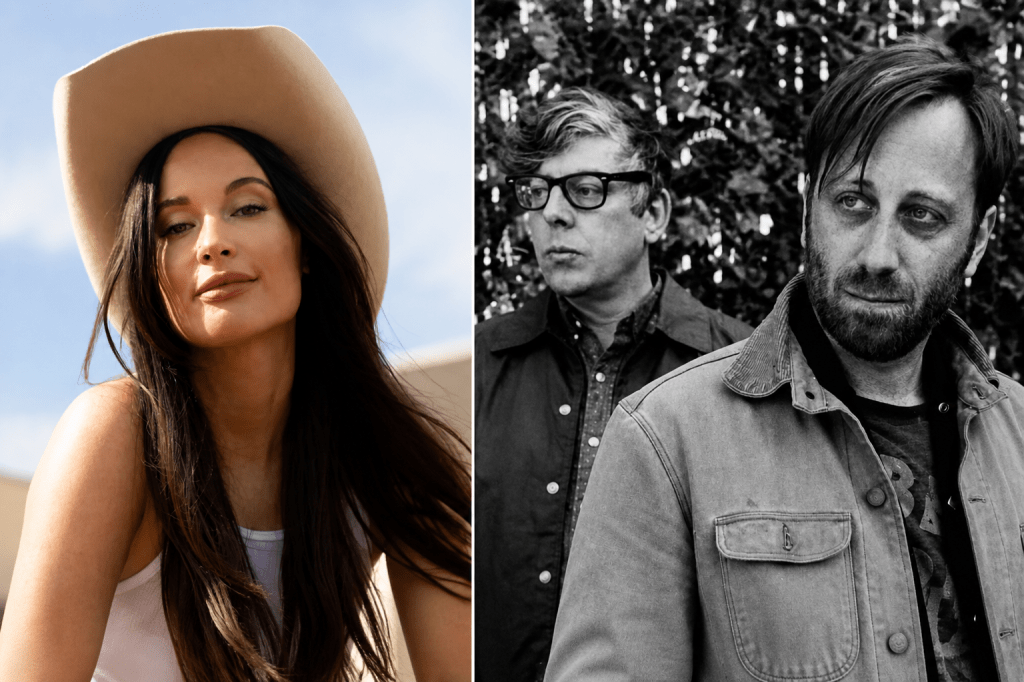
Kacey Musgraves & The Black Keys
Photo cred | Kelly Christine Sutton & Rolling Stone
-
Kristin Cavallari, Laguna Beach, And The Talent I Found Beneath The Noise
Before Laguna Beach: The Real Orange County, nothing really balanced polish and realism in a way that felt this intentional, even if most people didn’t fully register what they were watching at the time. I was only 19 when it came out, right in that space where influence actually lands, and while most people got pulled into the storylines, my attention stayed on Kristin Cavallari for a different reason entirely. It wasn’t about the drama or how she was positioned within it or labeled the bad girl, it was the way she carried herself inside every scene, a level of awareness that showed up through timing, eye contact, and expressions that consistently said more than anything scripted around her. There was nothing forced about it and nothing that felt like it was reaching for approval, just a controlled presence that made it clear she understood the camera while everyone else was still reacting to it. She absolutely understood the assignment and man did she knock it out of the park.
Kristin instantly became a fan favorite and also became a quick target as the “good girls” of the world sided with Lauren Conrad—they viewed Kristin’s confidence as bitchy and intimidating, which then turned into jealousy and angst. Conrad even admits on the reunion that she totally understands why people talked shit or painted Cavallari to be the bad girl, when she was just trying to have a good time. Insecurity is already a thing when we’re teenagers, but to then have that captured on camera and replayed for you to watch? Wild! The entire cast were entertaining and easily watchable in their own way; I often say season one of Laguna Beach has some of the best on screen chemistry in a reality show—of all time, especially on MTV. Huge props to Lauren Conrad, Stephen Colletti, Dieter Schmitz, Alex Hooser, Morgan Smith, Jessica Smith, Trey Phillips, Talan Torriero, Lo Bosworth and of course—Kristin Cavallari. Y’all made a lasting imprint on pop culture that will be talked about and watched for years, decades and centuries even.
That recognition didn’t stay surface level, because it wasn’t rooted in admiration as much as it was familiarity, and without realizing it right away, I started mirroring it in my own way through mannerisms, expressions, and how I carried myself in conversations where presence actually mattered. Call me a chameleon—it wasn’t just imitation for the sake of it, it was alignment with something that already felt natural, and over time that awareness extended beyond everyday interaction into something more specific, a curiosity about casting, about being placed in front of a camera, about how moments are shaped and translated once they leave the room. That curiosity turned into action, putting myself in positions where being on camera was real, not hypothetical, and in 2008 I got so close to getting casted on MTV’s hugely successful “the reality television series that started it all” The Real World Hollywood, close enough to feel the shift from watching to almost being part of it, and more importantly, close enough to understand that I wasn’t chasing something unrealistic, I was stepping toward something I already had a feel for. I even worked for a casting agency here in Boulder, Colorado in 2014—Metal Flowers Media—scouting talent for shows like Bar Rescue, Ice Cold Gold and Barmaggedon.
What took longer to recognize, and what carries more weight now, is that the presence I was drawn to wasn’t something I needed to build through outside influence, it was something that had been sitting underneath the surface the entire time. For a while, I convinced myself that confidence came from external sources, from alcohol, from distractions, from habits that felt like they were helping me access a version of myself that could show up fully, when in reality they were doing the opposite. They were muting the instinct, softening the awareness, and keeping the clarity just out of reach, and once that started to shift, it became obvious that nothing new was being created, something was being uncovered. The timing, the control, the ability to hold a moment without forcing it, all of it had been there, it just needed space to come through without interference. I figured going out and being “seen” would do something to get me in. I met a lot of people and had cool experiences sure, for the most part, but I was still living in Dallas, it’s not like I was residing in LA where people are constantly being scouted.
As The Hills took over and the shift from Lauren Conrad to Kristin Cavallari changed the tone of the show, the structure behind it became more visible, and the idea of reality as something untouched started to fade. The tension between them carried the narrative, but looking back, it reads more like something guided than something organic, and what stands out isn’t the conflict itself, it’s how Kristin moved within it. Stepping into a role that already came with expectations, she didn’t resist the framing or try to reshape it completely, she operated inside it with enough awareness to maintain control over how it translated. That balance kept the show moving while also exposing the mechanics behind it, and it pushed reality television closer to what it eventually became, something more produced, more intentional, and more dependent on people who understood how to exist within that structure.
Her relationship with Jay Cutler fit into that same pattern of alignment rather than contrast, especially when you consider the kind of presence he carried as a Chicago Bears quarterback. There was a similar level of detachment from outside opinion, a confidence that didn’t rely on performance for approval, and that kind of dynamic doesn’t need to be explained to make sense. It connects with anyone who gravitates toward that athlete mentality, that jock energy rooted in certainty and self-possession, and even as their relationship evolved over time, what it represented still holds, because it was based on identity rather than perception.
With her reality show on E! Entertainment—Very Cavallari, the transition into business and leadership removed any remaining doubt about longevity, shifting the focus from being part of a narrative to driving one. Running Uncommon James required a different level of control, type of presence, and what stands out is how consistent that presence remained across completely different environments. There was no need to reinvent anything or adjust to fit a new role, just a continuation of the same awareness applied at a higher level, which is what separates people who stay relevant from people who fade once the original moment passes.
What sticks with me isn’t just the impact of the shows, it’s the awareness behind it and how clear it became over time. At 19, I saw something I couldn’t fully explain yet, and over the years it turned into something real that shaped how I carry myself and how I show up. Letting go of what I thought I needed didn’t create anything new, it just revealed what was already there. The talent was never missing, it was always there, and once the noise cleared, it was obvious—Going out and parting was the complete opposite of what I should have been doing to gain momentum into the entertainment realm.
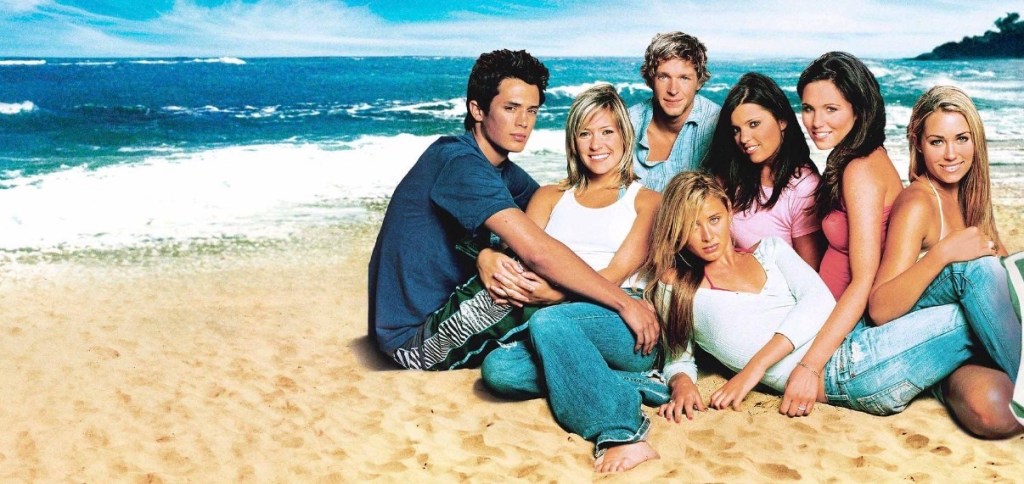
Laguna Beach: Season 1 (2004) MTV | Paramount -
The Calm Before Coors
They call it Opening Day, but in Denver it begins long before the first pitch is ever thrown. Morning settles differently downtown, where the streets hold onto a quiet that won’t last much longer while something builds by every single person working, organizing events surrounding the ballgame, tailgating or simply just going to the game. Jerseys start to appear, bars open early, and people move with purpose toward Coors Field as if the destination holds more than just a game. This is the calm before Coors, a brief window where anticipation replaces noise and the city feels like it’s holding its breath.
For a few hours, everything slows just enough to notice it. The energy, the routine, the understanding that today is not about standings or projections but something simpler and more meaningful. Opening Day in Denver has never belonged entirely to the Colorado Rockies. It belongs to the people who show up regardless of outcome, the ones who return year after year without needing a reason beyond the experience itself. That is what separates this moment from the rest of the season, because before the innings begin to stack and before reality takes shape, there is a reset shared across the entire city.
That connection runs deeper than one place. Growing up in Plano, Texas, Opening Day meant something personal long before I ever experienced it in Denver. My mom would pull me out of school every year so we could go to see the Texas Rangers, a tradition that started in grade school and carried all the way through high school. It was never about skipping class. It was about being there, about the feeling, about sharing something that didn’t need explanation. I was an avid baseball player, playing select and club throughout all of my childhood and adolescent years, almost pursuing it in college, but other personal factors got in the way, unfortunately. That same energy exists here, just in a different city, carried by different fans who understand it the exact same way.
The past several seasons have demanded patience, reshaping expectations and forcing a shift in perspective. Back-to-back years with more than one hundred losses turned what once felt competitive into something far less certain, while the opening stretch of 2025 pushed that uncertainty even further, placing the franchise in historically difficult territory. This version of the Rockies did not emerge overnight. The departure of cornerstone players like Nolan Arenado and Trevor Story marked a turning point, signaling the end of a previous era and the beginning of a long, uneven transition. Since then, direction has been questioned, leadership under owner Dick Monfort has faced growing scrutiny, and meaningful success has remained distant, with the last postseason moment now years removed.
At the same time, the business surrounding the team continues to grow. Franchise value has climbed significantly, even as results on the field have lagged behind. Inside Coors Field, the experience remains uniquely Colorado, shaped by altitude and unpredictability, where high-scoring games and dramatic swings have become part of the identity. The contrast is impossible to ignore, yet it also reinforces what makes Opening Day stand apart from everything that follows.
There is, however, a different kind of intrigue beginning to take shape within the roster itself. A younger core is starting to surface, bringing with it a level of curiosity that has been missing in recent years. Hunter Goodman has already established himself as a legitimate power presence, coming off a breakout season that redefined expectations and positioned him as a central piece of the lineup moving forward. Behind him, Brenton Doyle continues to anchor center field with elite defensive range, carrying the kind of athletic profile that keeps him relevant even as he looks to regain consistency at the plate.
Further down the pipeline, the anticipation only builds. Charlie Condon arrives with the weight of expectation that comes with a top draft selection, already showing flashes of impact potential and a bat that could quickly change the dynamic of the offense once he fully arrives. At the same time, early returns from TJ Rumfield suggest there may be more immediate production than expected, offering a glimpse into what a more competitive lineup could eventually resemble. None of it guarantees a turnaround, and none of it accelerates the timeline overnight. What it does provide is something just as important—reason to watch, reason to invest, and reason to believe that progress, however gradual, is beginning to take form.
On the mound, a similar balance between experience and transition begins to take shape. Kyle Freeland remains the steady presence, a veteran voice expected to anchor a rotation that has needed consistency. There is a familiarity there for me as well, having crossed paths years back through his wife Ashley during my time at Orangetheory Fitness in 2016, a reminder of how small the sports world can feel at times and how those connections tend to come full circle.
Around him, the front office has leaned into experience to stabilize what was one of the more challenged areas of the roster. Additions like Michael Lorenzen and José Quintana bring a level of reliability and perspective that cannot be measured purely by numbers, but instead by the ability to navigate innings, manage pressure, and keep games within reach. At the same time, the future continues to work its way into the present. Chase Dollander enters the season as one of the more intriguing arms in the organization, beginning in the bullpen while carrying the long-term expectation of developing into a key piece of the rotation. It is another example of a team trying to bridge where it has been with where it hopes to go.
Like the lineup, none of it offers immediate certainty. What it does create is structure, a foundation that, if it holds, gives the Rockies something they have been searching for—direction.
Because whether this team finds its way back to relevance or continues searching for it, today exists outside of that timeline. One hundred sixty-two games begin, bringing with them stretches that will test patience, nights that blur together, and moments that define what this season ultimately becomes. But this one day operates differently. It belongs to the city that fills the streets before the gates open, to the fans who show up without guarantees, and to the collective energy that builds quietly before taking over all at once.
Opening Day is not defined by the game itself. It is defined by the feeling that surrounds it, the reminder of why sports continue to matter even when results fall short.
And in Denver—they show up every time. Let’s go Rockies!
—Michael’s Jam 🎙️
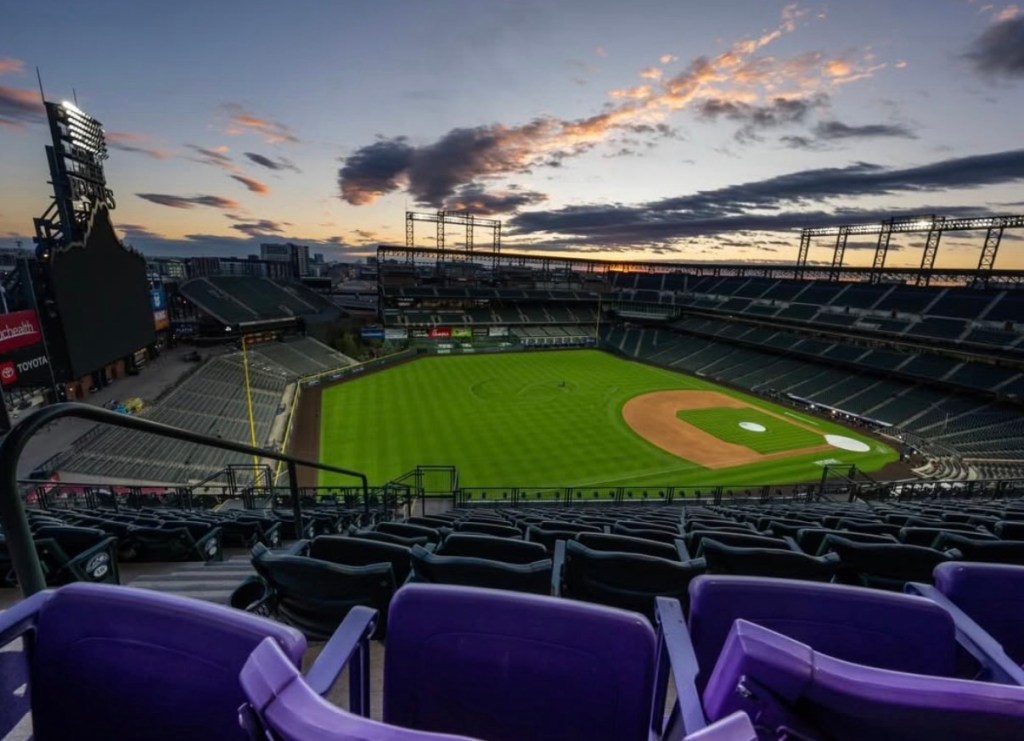
Coors Field — Denver, Colorado -
Pisces Energy, Chaos, and Full Circle: Kesha at Red Rocks
There are certain artists you don’t just listen to—you live through them, and for me, Kesha has always been one of those artists, not just because of the music itself but because of the way her presence has threaded through different chapters of my life, showing up at the exact moments when I needed something—energy, escape, honesty—whether I realized it at the time or not.
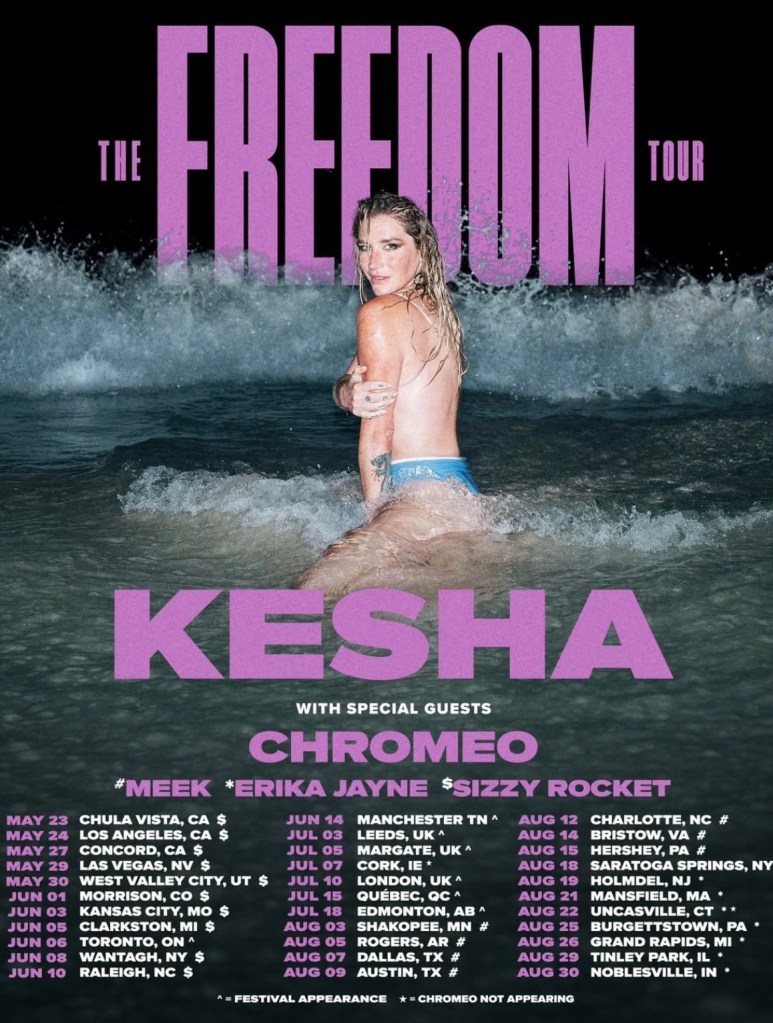
Kesha and I are both Pisces, both blonde, and wired with that same kind of beautiful chaos and emotional honesty that hits deeper than most people are willing to admit; whatever that mix is, it has always felt personal beyond fandom, which is why seeing her name at Red Rocks doesn’t read like just another announcement—it feels inevitable. And a huge congratulations to Kesha—Red Rocks is a moment.
Before Everything: Dallas, 2010
Before the transitions, the heavier moments, or any real sense of direction, there was Dallas, where I grew up—and there was movement.
Back in 2010, when I was still living there, Animal and the follow-up Cannibal were constantly on repeat as I trained for and ran my first half marathon, and that era of Ke$ha—was spelled with a dollar sign at the time—wasn’t about depth or introspection in the way her later work would become—it was about momentum, about pushing forward, about having something loud and unapologetic in your ears when your body is tired and your mind is trying to catch up.
There’s something underrated about that kind of music, because not every chapter of your life needs reflection—sometimes you just need energy, confidence, and something that keeps you moving, and at that point in my life, that was exactly what those albums gave me. I listened to those albums throughout the entire race, only stopped three times, which if you know me, I’m not a long distance runner.
When Warrior Hit at the Right Time
When her album Warrior came into my life, everything felt a little less clear, like one of those in-between phases where you’re trying to figure out who you are while also dealing with the fallout of a breakup that lingers longer than you expect, and what that album provided wasn’t just sound—it was attitude, it was edge, it was something that didn’t ask for permission to take up space. I had just broken up with an ex of five years, I was going out a bunch and I constantly felt I was fighting the world against me everyday. The album was the soundtrack—whether sad or happy—for my life in the early 2010’s.
It carried a kind of controlled chaos that felt both reckless and intentional, and that same energy extended beyond the music into how she presented herself during that era, including that bizarre, hilarious dinosaur interrogation promo with the overly serious, borderline sexy cop, where she leaned fully into the absurdity without ever losing control of the moment, showing a level of self-awareness and humor that most artists either can’t access or are too afraid to commit to.
That balance—being chaotic but intentional, strange but completely in control—is what separated her from everyone else trying to replicate that aesthetic without understanding what made it work in the first place.
From Chaos to Healing: Rainbow
Years later, when Rainbow arrived, the tone shifted in a way that felt undeniable, because if Warrior was about surviving chaos, Rainbow was about confronting it, unpacking it, and finding a way to move forward with something more grounded and honest.
Praying wasn’t just a single—it was a statement, the kind of song that cuts through whatever you’re holding onto and forces you to sit with it, and during darker moments when things weren’t as steady as they may have looked on the outside, that album became something more than music, something that offered a sense of stability when it was needed most.
The Fight Behind the Music
What a lot of people don’t fully grasp is how much Kesha has had to fight, not just within the music industry but within her own identity as an artist and as a person, and her legal battle with Dr. Luke, which began in October 2014 and stretched nearly a decade before reaching a settlement in June 2023, was rooted in serious allegations of abuse, sexual assault, and defamation, ultimately becoming one of the most complex and defining artist-rights battles in modern music.
But even before much of that played out publicly, there was already a shift happening, and one of the most symbolic moments of that change came when she dropped the dollar sign from her name in early 2014, moving away from the “Ke$ha” persona that had come to represent a version of herself built on being carefree, unbothered, and always strong, which she later recognized as more of a facade than reality.
After stepping away and going through treatment, she made the decision to let that version go, not because it wasn’t powerful in its own way, but because it no longer reflected who she actually was, and removing the “$” became a way of reclaiming control, stripping away the commercialization and expectation, and allowing her music moving forward to come from a place that was more honest, more vulnerable, and ultimately more real.
That kind of self-awareness, especially in an industry that often rewards consistency over authenticity, is rare, and it’s part of what makes her evolution not just noticeable, but meaningful.
More Than the Image
Kesha has always been easy to label from the outside, reduced to glitter, chaos, and a party-driven image that only tells part of the story, but underneath that surface is someone who is deeply intentional, highly intelligent, and fully aware of the character she’s playing at any given moment.
She’s a songwriter first, someone who understands how to build emotion, how to structure a moment, and how to create something that resonates beyond just the immediate listen, and when you look back at even the most absurd or chaotic elements of her career, like the Warrior era promotional content, there’s always a level of control and awareness underneath it that separates it from being random.
That’s the difference between chaos for attention and chaos with purpose, and she has always operated in the latter.
Red Rocks: Where It All Connects
So when I saw that Kesha is coming to Red Rocks Amphitheatre, it didn’t register as just another concert announcement, because for me, it represents something much bigger than that, something that ties together years of moments, memories, and versions of myself that all had her music playing in the background in different ways.
From running through Dallas with Animal and Cannibal, to navigating uncertainty with Warrior, to finding something more grounded in Rainbow, every phase connects, and standing in a place like Red Rocks, known for its history, its energy, and its ability to make moments feel larger than they are, feels like the exact setting where all of that comes together.
There’s something about timing that you can’t force, something about certain moments that feel aligned in a way you don’t question, and this is one of them, where the artist, the place, and the point in your life all meet at the same time.
Final Thought
Some artists soundtrack your life, while others help shape it in ways you don’t fully understand until you look back, and Kesha has managed to do both, which is why June 1 at Red Rocks doesn’t feel like just another night—it feels like something that was always meant to happen, something that carries weight, memory, and meaning in a way that goes beyond the music itself.
-
Why the 2000s Created the Most Iconic Era in Pop Music
From Britney Spears to Beyoncé to Lady Gaga, the 2000s created one of the most iconic eras in pop music history — and today’s music industry still seems to be chasing that magic.
If you were alive during the peak of 2000s pop music, you remember it. The songs were bigger, the stars were hotter, and every new release felt like a full cultural event. Music videos dominated television, artists built entire eras around albums, and pop stars carried a level of charisma and spectacle that made the genre feel larger than life.
The 2000s were a defining era for pop music, producing some of the biggest artists, albums, and cultural moments the genre has ever seen. From dance-floor anthems to emotional ballads, the decade created a sound that still influences mainstream pop today.
And lately, it feels like the industry is starting to realize it too.
Across today’s pop landscape, artists are revisiting the polished production, bold visuals, and high-energy performance style that once defined the genre. So the question becomes unavoidable:
Did pop music actually peak in the 2000s?
There was something different about pop music during that decade. The artists weren’t just singers — they were full-scale entertainers. The music, the visuals, the choreography, and the fashion all worked together to create moments that felt larger than life.
Artists like Britney Spears, Rihanna, and Justin Timberlake didn’t just release songs — they created eras. A new single meant a new sound, a new image, and often an unforgettable music video that dominated television and the internet. Pop stars felt iconic. They had presence, personality, and a level of star power that made the entire industry revolve around them, with fans around the world invested in every move they made.
Destiny’s Child: The Girl Group That Dominated Early 2000s Pop
Before several of its members became global superstars on their own, Destiny’s Child helped define the sound and attitude of early-2000s pop and R&B. Their 2001 album Survivor became one of the most recognizable releases of the era, producing massive hits like “Survivor,” “Independent Women,” and the unforgettable “Bootylicious.”
Even today, “Bootylicious” remains one of those songs that instantly transports you back to the early 2000s — confident, fun, and impossible not to move to. With tight harmonies, bold attitude, and undeniable hooks, Destiny’s Child proved that girl groups could dominate the pop world while still delivering powerhouse vocals and personality. Their success helped shape the sound of the decade and ultimately paved the way for the future superstardom of Beyoncé.
Britney Spears: The Heart of the 2000s Pop Era
No artist defined the 2000s pop era more than Britney Spears. By the time the decade was in full swing, Britney had already become one of the most recognizable entertainers in the world, but the 2000s showed just how influential she truly was.
Albums like Oops!… I Did It Again, In the Zone, and the now legendary Blackout helped shape the sound and style of modern pop music.
Tracks like “Toxic,” “Gimme More,” and “Piece of Me” blended electronic production, club-ready beats, and bold pop hooks in ways that still influence artists today. Beyond the music, Britney’s performances, visuals, and cultural impact defined what it meant to be a global pop superstar.
If the 2000s were the golden age of pop, Britney Spears wasn’t just part of the era — she was its beating heart.
The Producers Who Shaped the Sound
A huge reason the 2000s sounded so polished was the producers behind the music. The era gave us some of the most innovative and influential producers the genre has ever seen. Legendary names like Timbaland, Pharrell Williams and The Neptunes, and Max Martin pushed pop music into new territory.
They blended R&B, hip-hop, dance music, and electronic elements into something sleek, futuristic, and addictive. The beats were crisp, the hooks were undeniable, and the songs were built to be played everywhere — from radio stations to nightclubs to arenas.
Even today, much of modern pop music still follows the blueprint these producers helped create.
Justin Timberlake: The Album That Redefined Pop Production
Another defining moment in 2000s pop came with the release of FutureSex/LoveSounds by Justin Timberlake in 2006.
Produced largely alongside Timbaland, the album pushed pop music into a new sonic direction by blending sleek electronic production with R&B grooves and futuristic rhythms. Songs like “SexyBack,” “My Love,” and “What Goes Around… Comes Around” didn’t just dominate radio — they helped reshape what mainstream pop could sound like.
The record felt bigger, bolder, and more experimental than most pop albums of the time, helping define the polished, high-energy production style that would influence artists throughout the rest of the decade.
Christina Aguilera: The Voice That Redefined Pop
Another essential figure in the 2000s pop landscape was Christina Aguilera, whose 2002 album Stripped became one of the most memorable releases of the decade.
The record showcased Aguilera’s powerhouse vocals while embracing a bold mix of pop, R&B, rock, and soul influences. Songs like “Dirrty,” “Beautiful,” and “Fighter” proved that pop music could be both emotionally vulnerable and unapologetically fierce.
For many fans, Stripped wasn’t just another album — it was the soundtrack to a moment in life. I still remember blasting that record during my senior year of high school and seeing Christina live during the Stripped / Justified Tour in 2003 when she shared the stage with Justin Timberlake.
It was one of those moments that perfectly captured what made the 2000s pop era so special: massive personalities, unforgettable songs, and concerts that felt like full cultural events.
Usher: The R&B-Pop Crossover King
While pop stars dominated the charts, Usher helped define how R&B and pop could blend into something unstoppable.
His 2004 album Confessions became one of the biggest releases of the decade, producing massive hits like “Yeah!”, “Burn,” and “Confessions Part II.”
With production that mixed smooth R&B melodies with club-ready beats — especially on “Yeah!” featuring Lil Jon — Usher proved that pop music didn’t have to stay inside one genre. His music dominated radio, clubs, and music television simultaneously, helping shape the crossover sound that defined much of the decade.
Nelly Furtado: When Pop Went Global and Fearless
Another defining sound of the mid-2000s came from Nelly Furtado with her game-changing album Loose.
Released in 2006 and largely produced by Timbaland, the record reinvented Furtado’s image and delivered some of the most unforgettable pop hits of the decade. Songs like “Promiscuous,” “Maneater,” and “Say It Right” blended dance music, hip-hop rhythms, and sleek electronic production into a sound that dominated radio and clubs worldwide.
Loose perfectly captured the bold, genre-blending spirit of 2000s pop.
Ashlee Simpson: The Pop-Rock Edge of the 2000s
While dance-pop and R&B dominated the charts, Ashlee Simpson brought a different flavor to the 2000s pop landscape with her breakout album Autobiography.
Released in 2004, the record leaned into a pop-rock sound that connected deeply with a younger generation finding their voice during the MTV era. Songs like “Pieces of Me,” “La La,” and “Shadow” blended emotional songwriting with punchy guitar-driven production.
Ashlee carved out her own lane during a decade full of superstar personalities, proving that pop music in the 2000s didn’t have to fit neatly into one sound.
Jessica Simpson: The Early Pop Explosion
At the turn of the millennium, another artist who helped fuel the pop explosion was Jessica Simpson with her debut album Sweet Kisses.
Songs like “I Wanna Love You Forever” showcased her powerful vocals and helped introduce her as one of the prominent voices of the early pop boom. Always being compared to Britney Spears, Jessica was able to carve her own lane and delivered some unforgettable tracks like “Irresistible,” and “A Little Bit.”
For me personally, Jessica Simpson’s story has always had a small connection to my own life as well. We’re both originally from the Dallas area, had an unhealthy relationship with alcohol and over the years I’ve even connected with her mom, Tina Simpson, on Instagram. In 2019, I briefly met Tina in Dallas at the Ashlee Simpson and Evan Ross concert at the House of Blues. We we’re standing with the Simpson clan, and I expressed my admiration for the girls.
My friends jokingly used to say I was basically the male version of Jessica — just waiting for my own strong, athletic “Nick Lachey type” to come along. She was the All-American housewife that had guys drooling from the mouth and women laughing their asses off. Moments like that are a reminder of how deeply these artists and their music were woven into the culture of the early 2000s.
Mariah Carey: The Comeback That Dominated the Decade
Another defining moment of 2000s pop came when Mariah Carey returned to the top of the charts with her 2005 album The Emancipation of Mimi.
Songs like “We Belong Together,” “Shake It Off,” and “Don’t Forget About Us” dominated radio and became instant classics.
The album perfectly captured the era’s blend of R&B, pop, and hip-hop influence, proving that the 2000s pop sound wasn’t just about new stars — it was also about legendary artists reinventing themselves.
Beyoncé: A Solo Superstar Emerges
After rising to global fame with Destiny’s Child, Beyoncé stepped fully into her solo superstar era with albums like B’Day and I Am… Sasha Fierce.
Songs like “Crazy in Love,” “Single Ladies,” and “Get Me Bodied” showcased her ability to blend R&B, pop, and high-energy performance into something unmistakably her own.
By the end of the decade, she had firmly cemented herself as one of the defining pop icons of the era.
Rihanna: The Hitmaker Who Took Over the Late 2000s
Few artists defined the late 2000s pop landscape quite like Rihanna.
With the release of Good Girl Gone Bad in 2007, Rihanna transformed from a rising star into one of the most dominant hitmakers of the decade. Songs like “Umbrella,” “Don’t Stop the Music,” and “Disturbia” blended pop, dance, and R&B influences into sleek, radio-ready anthems that were impossible to escape.
Lady Gaga: The Final Evolution of 2000s Pop
No conversation about the peak of 2000s pop would be complete without the arrival of Lady Gaga.
When she burst onto the scene with The Fame in 2008, followed by The Fame Monster, Gaga didn’t just release hit songs — she reignited the idea of what a true pop star could be.
Songs like “Just Dance,” “Poker Face,” “LoveGame,” and “Bad Romance” combined club-ready production with bold visuals, fashion, and performance art that felt completely larger than life.
Does 2000s Pop Reign Supreme?
Looking back, the 2000s feel like a perfect storm for pop music. The artists were charismatic, the producers were innovative, and the songs were built to dominate every place people listened to music — from car speakers to arenas and dance floors.
Pop music wasn’t trying to be subtle — it was trying to be unforgettable.
And that it was.
I still listen to many of these albums and artists from the 2000s almost daily. Friends of mine and people I talk to in the music industry say the same thing — these songs still hit just as hard today.
The more artists revisit that formula today, the more obvious it becomes:
The 2000s didn’t just produce great pop music. They may have perfected it.
And if you grew up during that era like I did, you know exactly what I mean.
So the real question remains:
Do you think the 2000s were the greatest era for pop music — or does another decade deserve the crown?
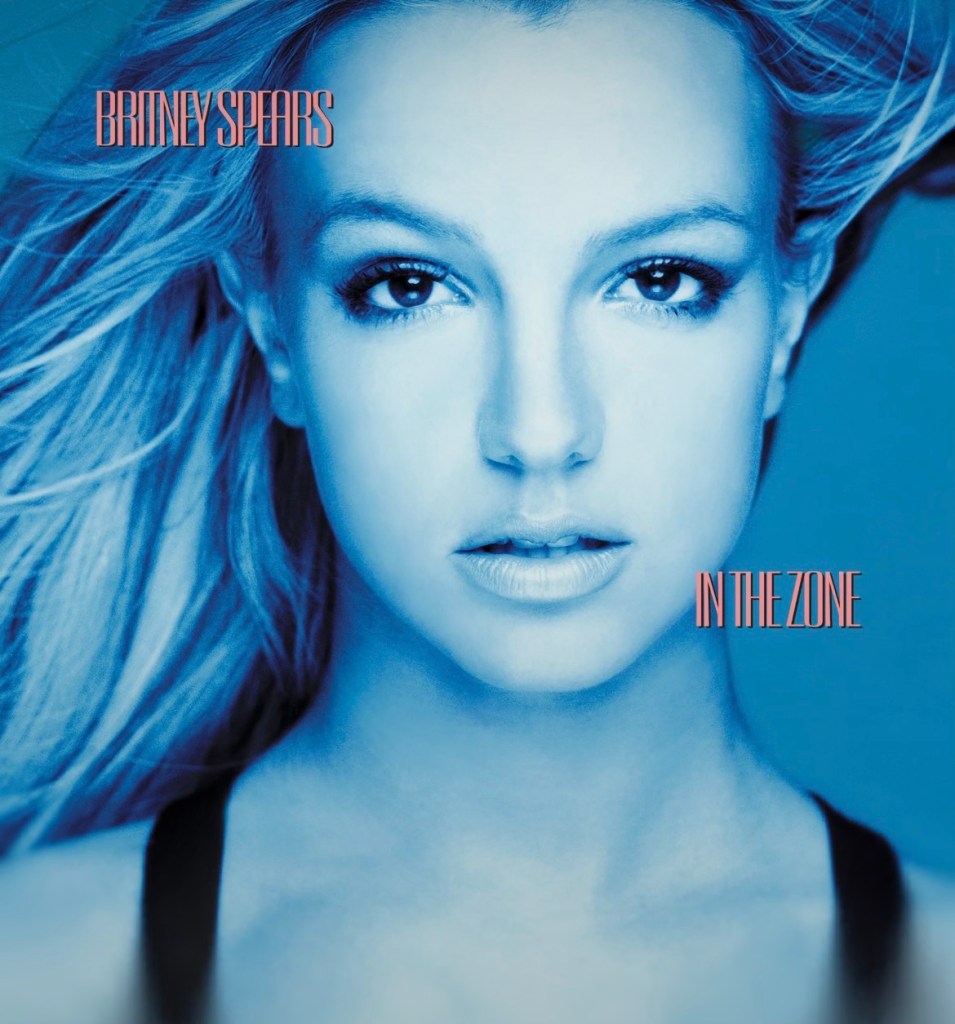
Britney Spears’ 4th Studio Album: In the Zone
-
Subscribe
Subscribed
Have a WordPress.com account? Log in now.

