When people hear the phrase Men’s Health Awareness Month, I feel like most minds, especially our younger generation, immediately jump to gym memberships, annual physicals, meal plans, and the endless stream of products promising a stronger body and longer life. Those conversations matter of course, but it seems men are still “supposed” to be programmed to show no emotion, or God forbid share uncomfortable thoughts that could actually save their own lives. Some of the most dangerous battles I’ve had to fight are things millions of men go through, but don’t talk about. They happened quietly behind my loud, creative mind—hidden underneath a fake smile at social events, work and anywhere in public places as to not bring anyone else down around me. That itself felt like a full time job—it was devastatingly depleting having to function everywhere when all I wanted to do was be in bed watching television or sleeping. Going through the motions with a smile was one of the hardest things I’ve ever had to endure. You really discover who you are in those moments, developing a resilience, perspective, and sense of self that no amount of comfort could ever provide—I’m stronger than I’ve ever been, confident and know now I can face anything that comes at me.
For more than a decade, I rode a rollercoaster of depression and anxiety that ranged from mildly annoying to completely crippling. There were stretches where getting out of bed felt impossible and moments where my brain convinced me every setback was permanent and the easiest of tasks were impossible. Anyone who has lived through depression understands how frustrating it can be when people try to reduce it to positive thinking, a walk outside, or a motivational quote. If it were that simple, millions of people wouldn’t be battling it every day. Depression isn’t a switch you turn off and anxiety isn’t a setting you adjust. When it gets bad enough, it changes the way you see yourself, your future, and the opportunities sitting right in front of you. You lose yourself and become so lost that you’re unable to see what the point of living anymore is.
It’s wild now to think back and realize that most people had no idea how much I was struggling because I naturally give off positive energy and never wanted to burden my family or friends with my issues—especially ones that in their eyes could be fixed by the press of a button. I’ve never enjoyed bringing negativity into any room I enter, and I certainly didn’t want people associating me with misery. From the outside, I probably looked like someone enjoying life exactly as he should have been, which is actually scary to think back on as so many men are currently doing the same exact thing I was.
The truth a lot of my friends had no idea how much I was suffering because I became incredibly good at disappearing without actually disappearing. I would still show up to work, handle my responsibilities, exchange pleasantries, and do just enough to convince the outside world that everything was relatively normal, but the moment my obligations were over, I retreated back into isolation. Text messages went unanswered for days, invitations slowly stopped coming because I declined so many of them, and friendships that genuinely mattered to me were often pushed to the side, not out of resentment or lack of love, but because pretending to be okay required an amount of energy I simply didn’t have. What made it even more frustrating was that whenever someone asked what was wrong, I rarely had a clean answer to give them. There wasn’t always a breakup, financial disaster, family tragedy, or singular event responsible for how I felt, and trying to explain that reality to people who had never experienced depression often left me feeling even more misunderstood. Eventually it became easier to withdraw, keep my thoughts to myself, spend entire weekends in bed, and convince myself that avoiding the conversation altogether was somehow healthier than attempting to explain a battle I was struggling to understand myself.
In 2022, I made a Facebook post saying I was going to kill myself. Looking back, it’s one of the hardest things I’ve ever admitted publicly, but it’s the truth. I wasn’t searching for attention or trying to create drama. I genuinely felt like it was the only way I was ever going to be heard. The frustration, sadness, anxiety, and emotional exhaustion had built for so long that posting something shocking felt easier than continuing to suffer in silence. That’s uncomfortable to write today, especially because life looks so different now, but I know there are men reading this who understand exactly what I’m talking about because they’ve stood in that same darkness while convincing everyone around them they were perfectly okay.
What nobody tells you is how closely mental health, alcohol, drugs, and addiction are connected. They feed, protect and lie to each other—it’s the most toxic relationship I’ve been in. One cannot spend years drinking excessively, abusing substances, numbing emotions, and avoiding uncomfortable truths while expecting your depression to magically lift and your anxiety to suddenly disappear. It doesn’t work that way. I know because I spent years trying. I drank to quiet loneliness, to avoid uncomfortable emotions and because temporary escape felt easier than confronting permanent problems. The problem is every feeling you postpone eventually comes back demanding interest.
My wake-up call arrived on September 7, 2023. After being assaulted in LoDo, I found myself sitting in a hospital with a missing tooth, bruises covering much of my upper body, and a level of emotional exhaustion that had been building for years. Most people saw a random act of violence. I saw the final straw. Something inside me finally realized I couldn’t continue living the same way and expect different results. No relationship was going to save me. No amount of validation was going to fill the void, and no substance was going to solve problems I was unwilling to face. Eventually, I had to accept a difficult truth—the life I wanted wasn’t going to be built by someone else—it was my responsibility to build it myself. As the band Stabbing Westward famously sang, eventually you have to “save yourself.”
That’s also why I believe getting sober for someone else rarely works. If you’re doing it for a spouse, parent, friend, boyfriend, girlfriend, or anyone other than yourself, there’s a good chance the foundation won’t hold. Sustainable change happens when the desire comes from within. Eventually, the excuses wore thin, the self-destructive patterns became impossible to ignore, and the comfort of staying the same no longer outweighed the pain of changing. A better life wasn’t going to arrive on its own—it had to be built, earned, and fought for. I knew all of this, for so many years—I just had to finally shit or get off the damn pot.
One statistic continues to stop me in my tracks every time I hear it. Roughly eighty percent of suicides are men. Eighty percent. Read that again. Four out of every five people who die by suicide are male. Is it really surprising when so many men are raised to believe their value comes from what they provide, how much they earn, how tough they appear, and how effectively they suppress every emotion that might be perceived as weakness? Men are constantly told to open up, yet many are judged, dismissed, or viewed differently when they actually do. Then society acts shocked when depression, addiction, isolation, and suicide continue climbing. The math has never been difficult to understand.
I don’t particularly like the phrase mental illness because for many people it sounds like a life sentence. While depression and anxiety are very real conditions that deserve to be taken seriously, I often wonder if some of the people carrying these struggles are also carrying extraordinary gifts. Look at the worlds of music, film, writing, sports, and entertainment. Some of the most creative minds to ever exist have battled mental health challenges. Britney Spears, Catherine Zeta-Jones, Lady Gaga, Emma Stone, Demi Lovato, and Mariah Carey have all spoken publicly about their own struggles. Countless musicians, writers, actors, athletes, and artists have wrestled with anxiety, depression, addiction, bipolar disorder, or emotional trauma while simultaneously creating work that moved millions of people. That doesn’t make suffering glamorous, but it does remind us that struggling doesn’t make you broken. Sometimes the same mind that creates incredible art, ideas, and passion can also be the one fighting the hardest battle.
I’ve watched people completely unravel under the weight of untreated emotional pain. I’ve seen a friend extracted from her apartment by firefighters during an extreme mental health crisis. I’ve stood close enough to darkness myself to recognize how dangerous it can become when left unchecked. What I’ve also witnessed is resilience. I’ve seen people rebuild. I’ve seen people recover. I’ve seen people completely transform their lives when they finally commit to doing the difficult work.
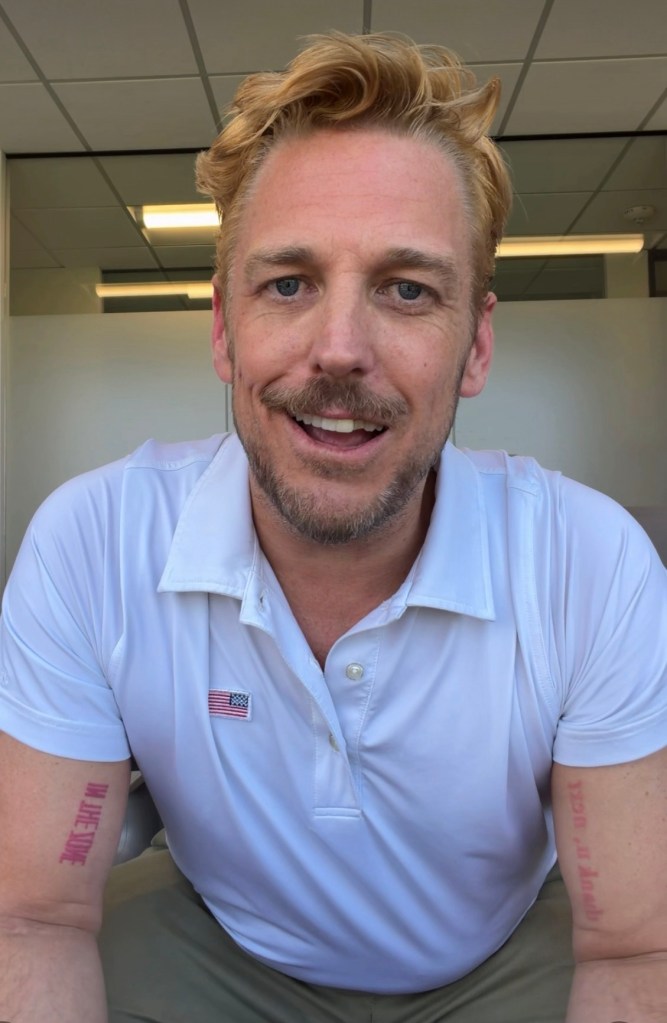
I’ve reached a point in my life where sharing only the polished highlights no longer feels complete. It feels incomplete, even dishonest. People have seen pieces of me over the years—the sports fanatic, the competitive streak, the carefully crafted image, the creative force behind Michael’s Jam, and the discipline that transformed both my body and my mindset—but those snapshots barely scratch the surface of the story. For the past thirteen years, Denver has been the backdrop to some of the most defining chapters of my life. It has challenged and humbled me, broken me down, and ultimately helped shape the man I am today. I’ll always be grateful for that. At the same time, there comes a moment when growth requires acknowledging that a season may be nearing its natural conclusion.
As I approach three years without alcohol, I can confidently say sobriety didn’t solve every problem in my life, but it gave me a fighting chance to solve them myself. The depression didn’t vanish overnight. The anxiety didn’t magically disappear. What changed was my ability to confront those challenges with a clear mind, healthier habits, stronger boundaries, meaningful creative outlets, and a genuine commitment to becoming someone I could be proud of. These days, success looks less like impressing strangers and more like protecting my peace, creating meaningful work, maintaining healthy relationships, and building a life that feels authentic to who I am.
For me, Men’s Health Awareness Month has very little to do with six-pack abs and almost everything to do with honesty. True strength leaves room for vulnerability. Courage is found not in suffering silently but in having the willingness to ask for help, while perspective comes from recognizing that even the darkest seasons are temporary. Ultimately, the challenge is not merely to survive, but to create a life that feels meaningful, fulfilling, and worth embracing each day. That realization changed the trajectory of my own life, and it may do the same for someone else.
 Michael's Jam
Leave a comment