From Britney Spears to Beyoncé to Lady Gaga, the 2000s created one of the most iconic eras in pop music history — and today’s music industry still seems to be chasing that magic.
If you were alive during the peak of 2000s pop music, you remember it. The songs were bigger, the stars were hotter, and every new release felt like a full cultural event. Music videos dominated television, artists built entire eras around albums, and pop stars carried a level of charisma and spectacle that made the genre feel larger than life.
The 2000s were a defining era for pop music, producing some of the biggest artists, albums, and cultural moments the genre has ever seen. From dance-floor anthems to emotional ballads, the decade created a sound that still influences mainstream pop today.
And lately, it feels like the industry is starting to realize it too.
Across today’s pop landscape, artists are revisiting the polished production, bold visuals, and high-energy performance style that once defined the genre. So the question becomes unavoidable:
Did pop music actually peak in the 2000s?
There was something different about pop music during that decade. The artists weren’t just singers — they were full-scale entertainers. The music, the visuals, the choreography, and the fashion all worked together to create moments that felt larger than life.
Artists like Britney Spears, Rihanna, and Justin Timberlake didn’t just release songs — they created eras. A new single meant a new sound, a new image, and often an unforgettable music video that dominated television and the internet. Pop stars felt iconic. They had presence, personality, and a level of star power that made the entire industry revolve around them, with fans around the world invested in every move they made.
Destiny’s Child: The Girl Group That Dominated Early 2000s Pop
Before several of its members became global superstars on their own, Destiny’s Child helped define the sound and attitude of early-2000s pop and R&B. Their 2001 album Survivor became one of the most recognizable releases of the era, producing massive hits like “Survivor,” “Independent Women,” and the unforgettable “Bootylicious.”
Even today, “Bootylicious” remains one of those songs that instantly transports you back to the early 2000s — confident, fun, and impossible not to move to. With tight harmonies, bold attitude, and undeniable hooks, Destiny’s Child proved that girl groups could dominate the pop world while still delivering powerhouse vocals and personality. Their success helped shape the sound of the decade and ultimately paved the way for the future superstardom of Beyoncé.
Britney Spears: The Heart of the 2000s Pop Era
No artist defined the 2000s pop era more than Britney Spears. By the time the decade was in full swing, Britney had already become one of the most recognizable entertainers in the world, but the 2000s showed just how influential she truly was.
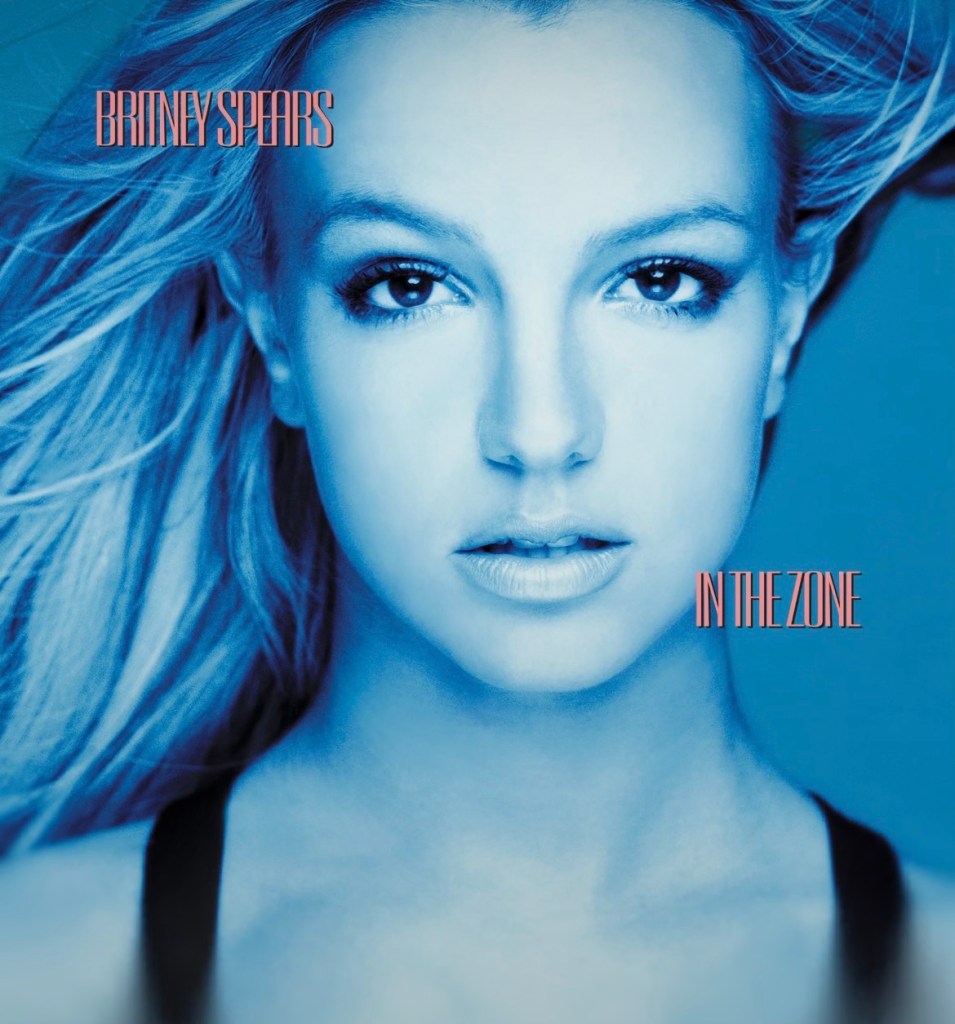
Albums like Oops!… I Did It Again, In the Zone, and the now legendary Blackout helped shape the sound and style of modern pop music.
Tracks like “Toxic,” “Gimme More,” and “Piece of Me” blended electronic production, club-ready beats, and bold pop hooks in ways that still influence artists today. Beyond the music, Britney’s performances, visuals, and cultural impact defined what it meant to be a global pop superstar.
If the 2000s were the golden age of pop, Britney Spears wasn’t just part of the era — she was its beating heart.
The Producers Who Shaped the Sound
A huge reason the 2000s sounded so polished was the producers behind the music. The era gave us some of the most innovative and influential producers the genre has ever seen. Legendary names like Timbaland, Pharrell Williams and The Neptunes, and Max Martin pushed pop music into new territory.
They blended R&B, hip-hop, dance music, and electronic elements into something sleek, futuristic, and addictive. The beats were crisp, the hooks were undeniable, and the songs were built to be played everywhere — from radio stations to nightclubs to arenas.
Even today, much of modern pop music still follows the blueprint these producers helped create.
Justin Timberlake: The Album That Redefined Pop Production
Another defining moment in 2000s pop came with the release of FutureSex/LoveSounds by Justin Timberlake in 2006.
Produced largely alongside Timbaland, the album pushed pop music into a new sonic direction by blending sleek electronic production with R&B grooves and futuristic rhythms. Songs like “SexyBack,” “My Love,” and “What Goes Around… Comes Around” didn’t just dominate radio — they helped reshape what mainstream pop could sound like.
The record felt bigger, bolder, and more experimental than most pop albums of the time, helping define the polished, high-energy production style that would influence artists throughout the rest of the decade.
Christina Aguilera: The Voice That Redefined Pop
Another essential figure in the 2000s pop landscape was Christina Aguilera, whose 2002 album Stripped became one of the most memorable releases of the decade.
The record showcased Aguilera’s powerhouse vocals while embracing a bold mix of pop, R&B, rock, and soul influences. Songs like “Dirrty,” “Beautiful,” and “Fighter” proved that pop music could be both emotionally vulnerable and unapologetically fierce.
For many fans, Stripped wasn’t just another album — it was the soundtrack to a moment in life. I still remember blasting that record during my senior year of high school and seeing Christina live during the Stripped / Justified Tour in 2003 when she shared the stage with Justin Timberlake.
It was one of those moments that perfectly captured what made the 2000s pop era so special: massive personalities, unforgettable songs, and concerts that felt like full cultural events.
Usher: The R&B-Pop Crossover King
While pop stars dominated the charts, Usher helped define how R&B and pop could blend into something unstoppable.
His 2004 album Confessions became one of the biggest releases of the decade, producing massive hits like “Yeah!”, “Burn,” and “Confessions Part II.”
With production that mixed smooth R&B melodies with club-ready beats — especially on “Yeah!” featuring Lil Jon — Usher proved that pop music didn’t have to stay inside one genre. His music dominated radio, clubs, and music television simultaneously, helping shape the crossover sound that defined much of the decade.
Nelly Furtado: When Pop Went Global and Fearless
Another defining sound of the mid-2000s came from Nelly Furtado with her game-changing album Loose.
Released in 2006 and largely produced by Timbaland, the record reinvented Furtado’s image and delivered some of the most unforgettable pop hits of the decade. Songs like “Promiscuous,” “Maneater,” and “Say It Right” blended dance music, hip-hop rhythms, and sleek electronic production into a sound that dominated radio and clubs worldwide.
Loose perfectly captured the bold, genre-blending spirit of 2000s pop.
Ashlee Simpson: The Pop-Rock Edge of the 2000s
While dance-pop and R&B dominated the charts, Ashlee Simpson brought a different flavor to the 2000s pop landscape with her breakout album Autobiography.
Released in 2004, the record leaned into a pop-rock sound that connected deeply with a younger generation finding their voice during the MTV era. Songs like “Pieces of Me,” “La La,” and “Shadow” blended emotional songwriting with punchy guitar-driven production.
Ashlee carved out her own lane during a decade full of superstar personalities, proving that pop music in the 2000s didn’t have to fit neatly into one sound.
Jessica Simpson: The Early Pop Explosion
At the turn of the millennium, another artist who helped fuel the pop explosion was Jessica Simpson with her debut album Sweet Kisses.
Songs like “I Wanna Love You Forever” showcased her powerful vocals and helped introduce her as one of the prominent voices of the early pop boom. Always being compared to Britney Spears, Jessica was able to carve her own lane and delivered some unforgettable tracks like “Irresistible,” and “A Little Bit.”
For me personally, Jessica Simpson’s story has always had a small connection to my own life as well. We’re both originally from the Dallas area, had an unhealthy relationship with alcohol and over the years I’ve even connected with her mom, Tina Simpson, on Instagram. In 2019, I briefly met Tina in Dallas at the Ashlee Simpson and Evan Ross concert at the House of Blues. We we’re standing with the Simpson clan, and I expressed my admiration for the girls.
My friends jokingly used to say I was basically the male version of Jessica — just waiting for my own strong, athletic “Nick Lachey type” to come along. She was the All-American housewife that had guys drooling from the mouth and women laughing their asses off. Moments like that are a reminder of how deeply these artists and their music were woven into the culture of the early 2000s.
Mariah Carey: The Comeback That Dominated the Decade
Another defining moment of 2000s pop came when Mariah Carey returned to the top of the charts with her 2005 album The Emancipation of Mimi.
Songs like “We Belong Together,” “Shake It Off,” and “Don’t Forget About Us” dominated radio and became instant classics.
The album perfectly captured the era’s blend of R&B, pop, and hip-hop influence, proving that the 2000s pop sound wasn’t just about new stars — it was also about legendary artists reinventing themselves.
Beyoncé: A Solo Superstar Emerges
After rising to global fame with Destiny’s Child, Beyoncé stepped fully into her solo superstar era with albums like B’Day and I Am… Sasha Fierce.
Songs like “Crazy in Love,” “Single Ladies,” and “Get Me Bodied” showcased her ability to blend R&B, pop, and high-energy performance into something unmistakably her own.
By the end of the decade, she had firmly cemented herself as one of the defining pop icons of the era.
Rihanna: The Hitmaker Who Took Over the Late 2000s
Few artists defined the late 2000s pop landscape quite like Rihanna.
With the release of Good Girl Gone Bad in 2007, Rihanna transformed from a rising star into one of the most dominant hitmakers of the decade. Songs like “Umbrella,” “Don’t Stop the Music,” and “Disturbia” blended pop, dance, and R&B influences into sleek, radio-ready anthems that were impossible to escape.
Lady Gaga: The Final Evolution of 2000s Pop
No conversation about the peak of 2000s pop would be complete without the arrival of Lady Gaga.
When she burst onto the scene with The Fame in 2008, followed by The Fame Monster, Gaga didn’t just release hit songs — she reignited the idea of what a true pop star could be.
Songs like “Just Dance,” “Poker Face,” “LoveGame,” and “Bad Romance” combined club-ready production with bold visuals, fashion, and performance art that felt completely larger than life.
Does 2000s Pop Reign Supreme?
Looking back, the 2000s feel like a perfect storm for pop music. The artists were charismatic, the producers were innovative, and the songs were built to dominate every place people listened to music — from car speakers to arenas and dance floors.
Pop music wasn’t trying to be subtle — it was trying to be unforgettable.
And that it was.
I still listen to many of these albums and artists from the 2000s almost daily. Friends of mine and people I talk to in the music industry say the same thing — these songs still hit just as hard today.
The more artists revisit that formula today, the more obvious it becomes:
The 2000s didn’t just produce great pop music. They may have perfected it.
And if you grew up during that era like I did, you know exactly what I mean.
So the real question remains:
Do you think the 2000s were the greatest era for pop music — or does another decade deserve the crown?
 Michael's Jam
Leave a comment