Sports have long been celebrated for their unpredictability and the pure thrill of competition. Fans flock to stadiums, tune in on televisions across the world and now, more than ever, place bets on their favorite teams and athletes. Sports betting, a booming industry worth billions, thrive on the element of surprise and the faith that every game is played fairly. However, the integrity of sports is occasionally called into question with allegations of rigged games, casting a dark shadow over the excitement of both the sports and betting worlds.
In the 2024-2025 season, The Kansas City Chiefs were questioned in almost every game they played, winning just seconds before the end of a bunch of their matches. I have seen my buddies lose a ton of money, win some more, lose again. Should sports betting be allowed for the future? Go Cowboys (hopefully we get back to winning the division like we have over the past decade.) Yeah, I know we haven’t made it to The Super Bowl since I was in middle school, but at least we get to the playoffs consistently. What happened this year is a mix of bad coaching, Dak’s injury and my boys playing terrible football. I am excited to cheer on the Broncos this weekend though; what an incredible comeback they have had. Lets take a look at the history of sports betting scandals.
The history of sports is littered with infamous examples of rigged games. Here are a few that have left a lasting impact:
The Black Sox Scandal (1919): Perhaps the most notorious case in American sports history, eight members of the Chicago White Sox were accused of intentionally losing the World Series in exchange for money from a gambling syndicate.
The 2006 Italian Football Scandal (Calciopoli): Involving some of Italy’s top football clubs, this scandal saw teams like Juventus, AC Milan, and Fiorentina implicated in a scheme to influence refereeing appointments to their advantage.
NBA Referee Scandal (2007): NBA referee Tim Donaghy was found guilty of betting on games he officiated and making calls that affected the point spread, raising concerns about the integrity of officiating in professional sports.
Rigged games severely undermine the credibility of sports betting, which relies heavily on the unpredictability of outcomes. When the results of a match are predetermined, it not only cheats the fans but also disrupts the betting markets. The ramifications are significant.
Erosion of Trust: Bettors need to trust that the events they wager on are fair. Even a whiff of corruption can deter casual and serious bettors alike, damaging the industry’s reputation.
Financial Losses: Both bettors and betting companies can suffer significant financial losses due to rigged games. Bettors lose money on bets they had no fair chance of winning, while betting companies may face payouts on bets they never anticipated.
Legal Repercussions: Legal actions often follow high-profile rigging cases, leading to fines, suspensions and even criminal charges for those involved. This adds a layer of legal uncertainty to the sports and betting industries.
The fight against game-fixing is ongoing, involving multiple stakeholders from sports leagues to government bodies and betting companies. Several measures are being implemented to ensure the integrity of sports:
Strict Regulations and Monitoring: Sports leagues and betting companies are investing in sophisticated monitoring systems to detect unusual betting patterns that could indicate match-fixing.
Transparency and Accountability: Ensuring transparency in officiating and enforcing strict penalties for those caught rigging games are critical steps. Publicizing these measures helps deter potential wrongdoers.
Education and Awareness: Educating athletes, referees and officials about the consequences of game-fixing is vital. Many leagues have introduced mandatory training programs to highlight the legal and moral implications of such actions.
Collaboration with Law Enforcement: Effective collaboration between sports organizations, betting companies and law enforcement agencies can help track down and prosecute those involved in game-fixing.
The concept of rigging games is as old as organized sports themselves, truly. The reasons behind fixing a match are multifaceted, ranging from financial gain and gambling debts to external pressures from criminal organizations. The potential for substantial profit makes rigging an enticing proposition for those willing to compromise the essence of fair play. When a defending champion team (Nuggets) loses by 45 points when all they needed was one more W to advance to the conference finals, is quite a stretch and a bit odd. The Denver Nuggets were also up by almost 25 points at halftime last night in game 7, to then be eliminated on their own turf? The Texas Rangers were one out away from winning the World Series in 2011, then wound up losing. Just some sports for thought.
The thrill of sports and the excitement of betting hinge on the unpredictability and fairness of the game. While rigged games have cast a shadow over the integrity of sports, ongoing efforts to combat corruption are crucial to restoring faith among fans and bettors. The future of both sports and sports betting depends on maintaining the sanctity of fair play, ensuring that the love of the game remains untarnished by deceit.
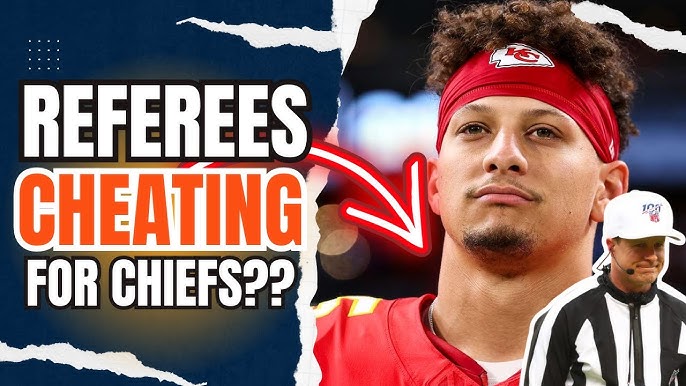
Photo cred; YouTube
 Michael's Jam
Leave a comment